Other Half Brewing Co.
Quinta Monasterio
Valle de Guadalupe Cabernet Sauvignon Merlot 2018

Half of each varietal is aged 12 months in French oak and the other half in American oak - very interesting. Rich and delicious!!! 🇲🇽 — 6 years ago

Other Half Brewing Co.
Double Mosaic Daydream Imperial Oat Cream India Pale Ale


Super smooth and creamy. A mango smoothie, perhaps. Classic Other Half. — 7 years ago

Jean-Charles Boisset (JCB)
JCB No. 3 Pinot Noir



Bedrock Wine Co.
Ode to Lulu California Old Vine Rosé Blend

Sommelier, International Wine Guild; Balistreri Vineyard; Sales, Joy Wine and Spirits
It might shock you, but my favorite rosé is not French but instead comes from California! Blasphemy, I know - but Bedrock's Ode to Lulu is just that good. The difficulty is actually finding a bottle. For the last three years, I've only been allocated a case (or less) to sell here in Denver. It's possible you are one of the select few I've actually told about this wine... If not, now is your chance. This is the first year there's an "okay" supply. It won't last, but you should be able to get a bottle.
So yes, it's not French but it's made in the same style and method of Tempier Bandol Rosé- the most sought after, cult rosé out there. The name "Ode to Lulu" is actually an homage to the 4.5 foot tall, 101 year old woman named "Lulu" Peyraud (born Lucie Tempier) whose father gifted the Mourvedre heavy estate to her and her husband Lucien Peyraud. The wines they would go on to produce from the 1940's onward quite literally defined Bandol and put it on the map as some of the best rosés out there. She's still alive and presumably drinking plenty of wine.
This California-born "Ode to Lulu" is modeled after the great Tempier, but has some unique properties compared to it's French namesake. For one, the vines are EXTREMELY old. Tempier defined itself by focusing on old Mourvèdre and Grenache plantings, but even these French vineyards cannot compare to what Bedrock is working with in California. If you don't know, Bedrock is the winery of Morgon Twain Peterson, son of legendary Ravenswood founder Joel Peterson. Morgon grew up making wine and through his father has cultivated relationships with some of the most important heritage vineyards in California. The "Ode to Lulu" is made from Mourvèdre and Grenache planted as far back as 1888! These are some of the oldest plantings of these grapes around and make for unbelievable wines. Tempier's average vine age is around 40 years old today. Bedrock's is over 3x as old. Insane.
Morgon may be young, but he has a life time of winemaking experience. He started making wine with his father when he was 5 years old and hasn't stopped yet. In addition to absorbing his father's knowledge on heritage vineyards, he is a real student in the world of wine, earning a "Masters of Wine" designation (this industry's highest achievement). I've been drinking his wine for several years and I can say that his wine is made extremely thoughtfully and with expert attention to detail. This is true even with a wine as humble as rosé.
Unlike most California pink wine, Bedrock is not produced by "bleeding off" juice from a red wine. Instead, the grapes are picked early and separately at very low potential alcohols, and whole cluster pressed with low extraction. This preserves the freshness and acidity, creating a wine of clarity. In an old blog post I dug up, Morgon explains this idea:
"I pick at potential alcohols lower on the scale where brightness and lift still exist. This is not to say that fruit does not matter—I use Mourvedre from a block planted over 120 years ago for requisite concentration of complexity of flavor—but like fine champagne, the wonders of rosé lie in its unbearable lightness of being."
I agree with this idea of rosé and I think most people instinctively do as well. It's no coincidence that our best selling bottles come from provence. However, I urge you to pick up at least one bottle of this Ode to Lulu. It's a wine that's close in spirit to the best French rosé but made from vineyards that are American and unrivaled in age.
This is the fourth vintage of Ode to Lulu I've tasted, and I would say that's the most elegant yet. The 2015 was maybe my favorite for it's depth and I picked a few up to age, drinking my last bottle recently... This new vintage is great now, but it will reward with a short cellaring time. Honestly, if you can hide 2 bottles and drink them before fall or into next year, you will be blown away. Bandol rosé is a wine that improves dramatically over the course of 6 months to several years (Tempier Rosé is known to go decades). This bedrock is no different.
I can personally attest to past vintages gaining depth with time. How is this possible? Unlike other rosé which should be drank young, Bandol and Ode to Lulu are made of Mourvedre, a grape that is naturally reductive and resistant to oxidation. Further, the acidity is high and alcohol low. As the acidity starts to fall away, a depth and richness of character will emerge. In fruitier/riper rosé with more alcohol, this richness becomes too sweet and cloying... Not the case here. This keep balanced through time, gaining complexity while remaining refreshing.
You should buy this wine. However, I think there is one more important facet to rosé that I should mention before you do... Rosé is not always about what's in the glass itself. Rosé is really an ethereal thing... It's more so an "essence" of terroir and vintage rather than a sturdy, hard representation like red wine is... Sorry if that doesn't make sense but what I'm trying to say is that sometimes rosé is more about the place and the people you enjoy it with than the exact flavors themselves. Of course, we cannot all visit the picturesque village of Bandol to visit Lulu Peyraud; but I think, with this sunny Colorado weather, we can come close. Perhaps Morgon said it better than I can:
"Proper rosé is refreshing, life-nourishing stuff that revives the soul... I drink as much for pure pleasure as for intellectual stimulation. In the warmer months there is something sacred about a late afternoon meal of cold chicken, fresh garden tomatoes, and rosé. It is one body in the sacred trilogy of rustic simplicity." - Morgon Twain Peterson
#rose #oldvine #lulu #tempier #bedrockwineco — 8 years ago
Christophe Mignon
Extra Brut Champagne Pinot Meunier
There are so many exquisite grower champagnes available but every now and then a producer just manages to enrapt you. And then they keep doing it. A plethora of fine bubbles in a shimmering light golden robe. Floral aromatics up front with white flowers and violets up front. Really nice tropical fruits combine with spices. Red fruits and chalky minerality with just a bit of fresh yeast.
Grower Champagne from Festigny that practices biodynamic methods in the vineyard. 100% Pinot Meunier, bone dry and I wouldn’t have it any other way with these wines. Customary low dosage of between 2 and 5 g/l. One of the true masters of Meunier, there’s refinement and elegance here but also some rusticity and such a strong representation of the terroir. Half and half from the 2014 and 2015 vintages and disgorged in August of 2019.
In such a good place at the moment, this is drinking splendidly. The palate features honeysuckle and pineapples, along with lemon zest. Fresh herbs, more spice, and greenery. Long, powerful finish. Austere but oh so lovely, this may not be the champagne for every palate but if you’re an acid freak you will be in heaven. A favorite of mine for a good reason. — 5 years ago
Domaine Thierry Mortet
Beaux Bruns Chambolle-Musigny 1er Cru Pinot Noir 2015
Silky, elegant Pinot Noir by Thierry Mortet, Denis Mortet’s younger brother. This wine comes from a 0.22 hectare plot in Aux Beaux Bruns, one of Chambolle-Musigny’s 25 officially classified premier crus and at little over 1 hectare, also one of the smallest. Domaine Denise Mortet owns another 0.22 hectares in this climat - I suppose, the other half of parcel split between the two brothers when their father Charles Mortet retired in 1991. Delicate. Ripe black fruit, smoke and pepper aromas. Very smooth tannins, good length and satin-like finish.
— 6 years ago
Domaine Gourt de Mautens (Jérôme Bressy)
Vaucluse Red Rhone Blend 2015

Phenomenal wine from Vaucluse’s best winemaker. Half Grenache blended with a potpourri of other Southern Rhone varietals. Reminiscent of Beaucastel, but more powerful. Big, bold wine that dances on the tongue and evolves over the course of the evening. Highly concentrated and complex with layer upon layer of kirsch, blackberry, garrigue, spice, and white stone. On the palate, you can even detect some hints of dark chocolate. The wine is extremely good now, but I’d suggest cellaring for a decade to bring out all the layers. 2015 vintage on Oct 13, 2019 — 7 years ago
Peter Michael Winery
Estate Vineyards Les Pavots Knights Valley Cabernet Sauvignon Blend 2005
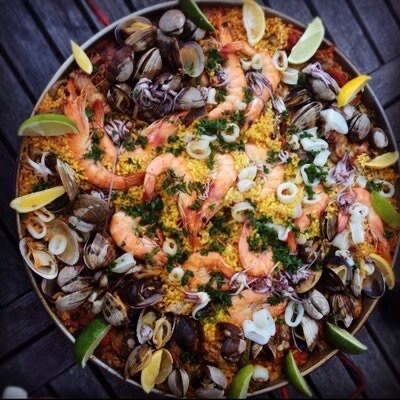
Not as good as the other time I had it a month or so ago. Might have been due to the service... Waiter breaks the cork in half. Happens to all of us. He then proceeds to tell me that it wasn’t his fault and that the cork was soft. Ok. Not sure I care, it happens. Says he has to decant it. Great, thought we would no matter what right :) Comes back with one of those tiny decanters, filled to the top with cork all over the top of the wine. Sigh. Then proceeded to pour very full glasses for my parents who are sitting there saying just a little please. Comes back a bit later and proceeds to top off the glasses and empty the decanter. Can I blame the wine for not having a good showing? My last one too :( — 8 years ago
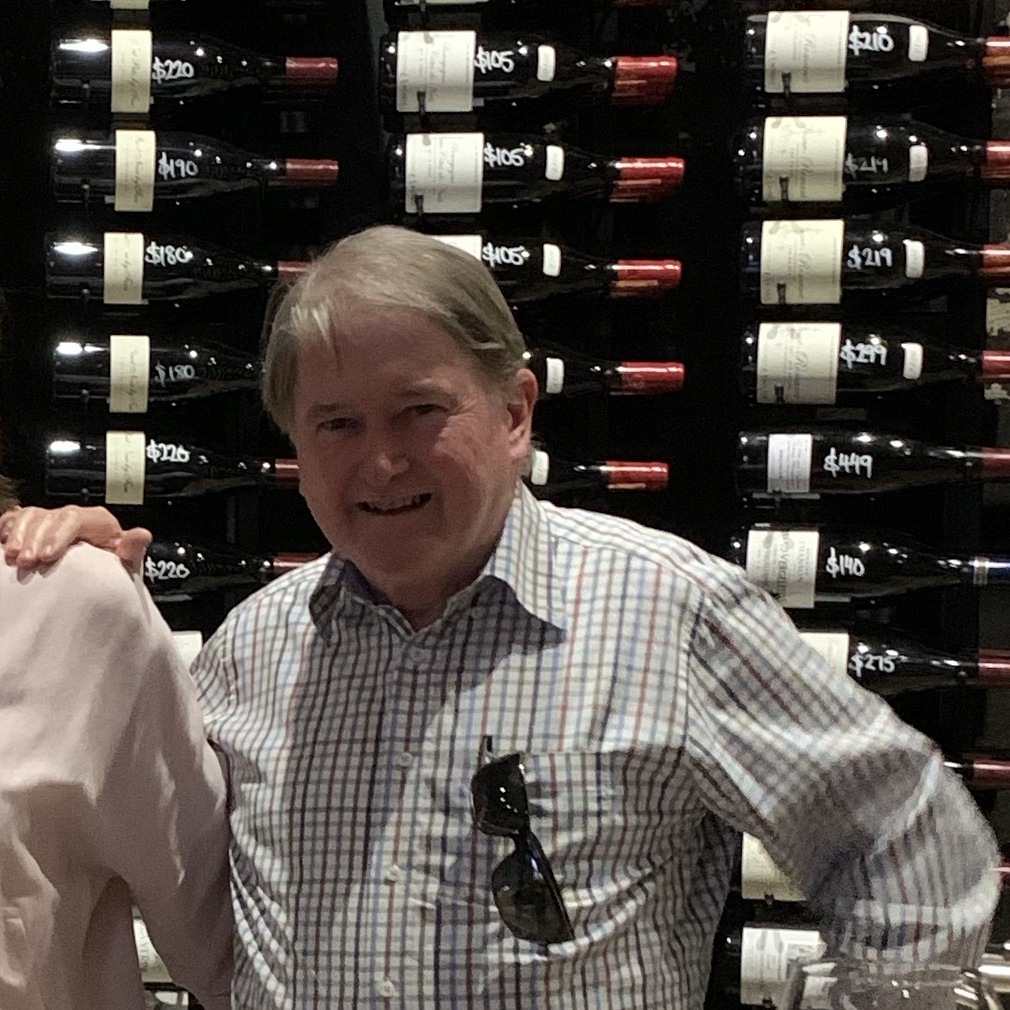


Other Half Brewing Co.
Forever Ever Double Dry Hopped India Pale Ale
Third rooftop beer of the year. Light session beer from Other Half. At the style but not as much substance. But that's ok because this is a terrific beer at 4%. — 9 years ago
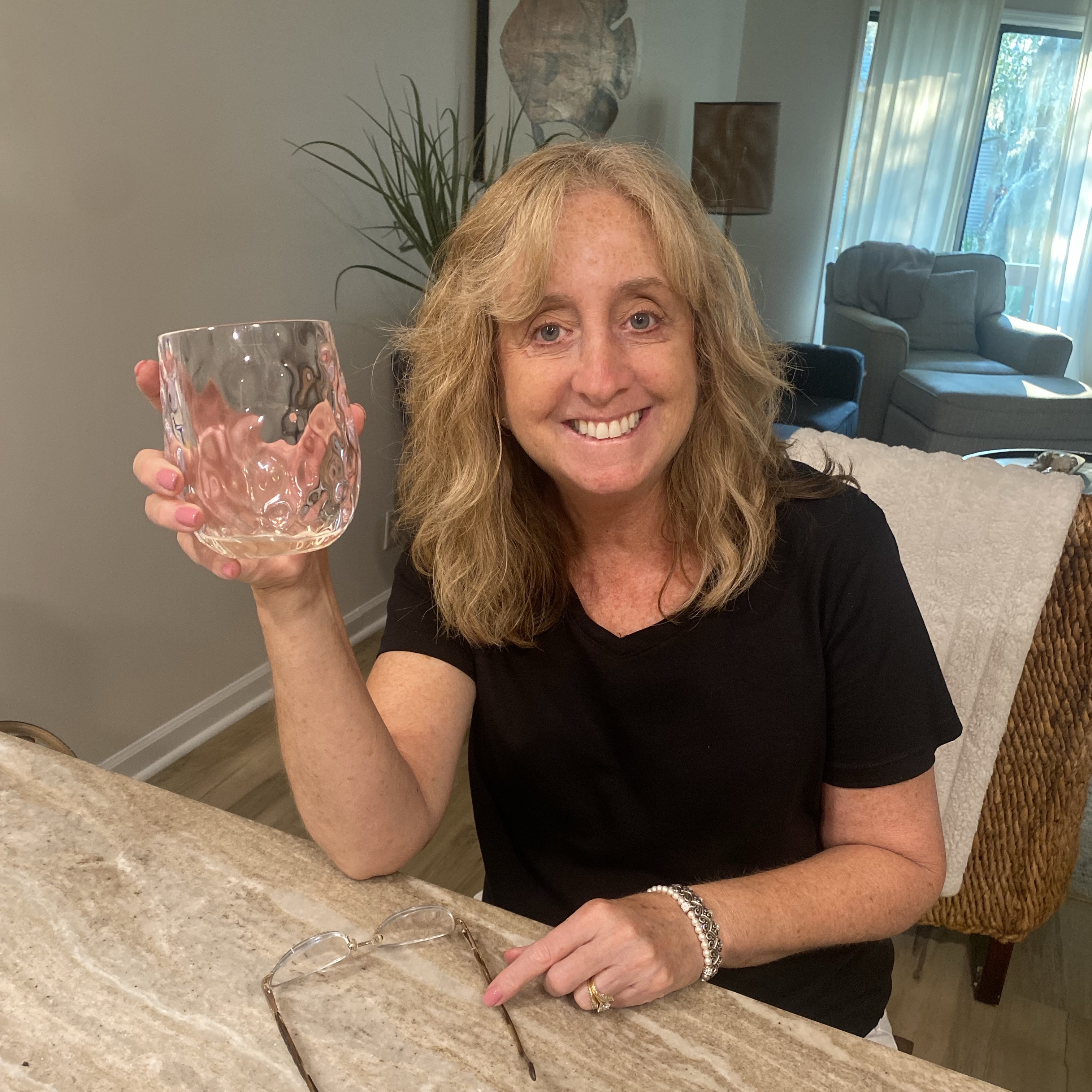
Château Brane-Cantenac
Grand Cru Classé en 1855 Margaux Red Bordeaux Blend 2005
I have a six-pack of this 05. I thought after 10 years in bottle, it would be interesting to check in on its evolution. While tasty, I’ll wait another 8-10 to open another. Even after 2-3 hours in the decanter, it’s still a very young adolescent. On the nose, slightly sour blackberries & dark cherries, dark currants, baked black plum, haunting blue fruits, anise, whiff of spice, steeped tea, dry stones, dry crushed rocks with dry top soil, caramel, vanilla with fresh & dry red florals. The body is thick & full. Tannins are starting to round out. It’s velvety on the palate. The fruits are; bright, fresh & ripe and really show the greatness of the 05 vintage. Dark currants, blackberries, dark cherries, baked black plum, haunting blue fruits, baked strawberries, cherries, raspberries on the long set, dark spice, clay & loamy dry top soil with crushed rocks, dry stones, cigar with ash, graphite, dry stems, slight herbaceous character, mint, used leather, clove, caramel, vanilla, fresh & dry red florals with violets. The round acidity is about perfect. The structure and length are still strong. The balance is in harmony. As for the long finish, it’s lush, ruby, rich and well polished. Photos of; Chateau Brane Cantenac, large wood vats, Henri Lurton and Estate vines. Producer notes and history...Chateau Brane Cantenac began in the early 17th century. At the time, the estate was known as Domaine Guilhem Hosten. Even that far back, wine was produced from the property. In fact, the wine was so highly regarded it was one of the more expensive wines in Bordeaux. It sold for almost as much money as Brane Mouton. This is interesting because of who went on to buy the vineyard in the 1800’s. The Baron of Brane, also known as “Napoleon of the Vineyards”, purchased the Chateau in 1833. At the time of the sale, the estate was called Chateau Gorce-Guy. To get the funds needed to purchase the Margaux vineyard, the Baron sold what is now called Mouton Rothschild, which was at the time of the sale, known as Chateau Brane-Mouton. Not such a good move with hundreds of years in hindsight! In 1838, the Baron renamed property taking his name and the name of the sector where the vineyards were located and called it Chateau Brane Cantenac. The Chateau later passed to the Roy family, who were well-known in the Margaux appellation in those days, as they owned Chateau d’issan. Moving ahead to 1920, the Societe des Grands Crus de France, a group of merchants and growers that owned several chateaux located in the Medoc including; Chateau Margaux, Chateau Giscours, and Chateau Lagrange in St. Julien, purchased Chateau Brane Cantenac. Five years later, M. Recapet and his son-in-law, François Lurton, took over Brane Cantenac along with Chateau Margaux. Lucien Lurton (the son of François Lurton) inherited Brane Cantenac in 1956. Today, the estate is still in the hands of the Lurton family. Brane Cantenac is owned and run by Henri Lurton. After being given the responsibility of managing Brane Cantenac, it was under the direction of Henri Lurton that large portions of the vineyard were replanted. Vine densities were increased, the drainage systems were improved and the plantings were also, slowly changed. The vineyard of Brane Cantenac is planted to 55% Cabernet Sauvignon, 40% Merlot, 4.5% Cabernet Franc and .5% Carmenere. Carmenere was used for the first time in the 2011 vintage. The only other Chateau I know that still uses Carmenere is Clerc Milon. The 75 hectare Left Bank vineyard of Brane Cantenac is essentially unchanged since it earned Second Growth status in the 1855 Classification. At least that is the case with the 45 hectares used to produce the Grand Vin of Brane Cantenac. Those 45 hectares are planted surrounding the Chateau. Those vines are located just in front of the Cantenac plateau and are the best terroir that Brane Cantenac owns. They have other parcels, which are further inland and much of those grapes are placed into their second wine, Le Baron de Brane. Those additional hectares can be divided into 3 main sections. Behind the Chateau, they have 15 hectares of vines on gravel and sand, 10 hectares across the road with sand, gravel and iron and a 13 hectare parcel with gravel called Notton, which is used for their second wine. The vineyard is planted to a vine density that ranges from 6,666 vines per hectare on the plateau and up to 8,000 vines per hectare for the vines located behind chateau, in their sandier soils. The higher levels of vine density are always found in the newer plantings. The terroir of Brane Cantenac consists of deep gravel, sand and clay soil. Experiments in the vineyards are currently looking at becoming more organic in their vineyard management. Today, more than 25% of Brane Cantenac is farmed using organic farming techniques. It is expected that over time, the amount of hectares farmed with organic methods will be increased. Brane Cantenac has gone through 2 relatively recent modernization’s in 1999, when they added began adding the first of their smaller vats to allow for parcel by parcel vinification and then again in 2015 when they completed a much more complete renovation of their cellars and vat rooms. While Brane Cantenac is a traditional producer, they are no stranger to technology as they were one of the first estates to embrace optical grape sorting machines. In very wet vintages, they can also use reverse osmosis. To produce the wine of Chateau Brane Cantenac, the wine is vinified in a combination of temperature controlled, traditional, 22 oak vats, 18 concrete tanks and 20 stainless steel vats that vary in size from 40 hectoliters all the way up to 200 hectoliters, which allows for parcel by parcel vinification. 40% of the fermentation takes place in the oak vats. The oldest vines are vinified in vats that are selected to allow for separate parcel by parcel vinification. The younger vines are vinified more often together in the same vats. However, the Carmenere is entirely micro-vinified, meaning that those grapes were completely vinified in barrel, using micro-vinification techniques. This can also happen because the amount of grapes produced is so small. Some vats can be co-inoculated, meaning they go through alcoholic fermentation and malolactic fermentation simultaneously. At Chateau Brane Cantenac, malolactic fermentation takes place in a combination of French oak tanks and barrels. The wine of Brane Cantenac is aged in an average of 60% new, French oak barrels for 18 months before bottling. The initial 2 months of aging is done with the wine on its lees, which adds more depth to the wine. There second wine is Le Baron de Brane. Le Baron de Brane is not new. In fact, previously, the second wine went under the name of Chateau Notton, which took its name from one of the main parcels where the grapes were planted. During the late 1950’s and into the 1960’s, having a second wine was important as the estate declassified 3 vintages, due to extremely poor, weather conditions in 1956, 1960 and 1963. Production of Chateau Brane Cantenac is about 11,000 cases per year. — 9 years ago


Cruse Wine Co.
Valdigue Nouveau 2020

Fresh flowers and bright fruit...for anyone who loves Beaujolais, Gringolino, or other similar wines. — 6 years ago
The Other Wine Co.
Tasmania Pinot Noir 2019

It’s no secret which vineyard this fruit came from.
If you don’t know, I suggest a little research and then seek out the wine and buy it by the dozen. Batting well above it’s weight in the sub $30 Pinot class. — 7 years ago
Kosta Browne
Gap's Crown Vineyard Pinot Noir 2009

Berries and cherry cola with spice b excellent but not as good as other bottles from them. If we’re half the price would be worth bit. — 7 years ago
Other Half Brewing Co.
Enhance Your Mind Imperial India Pale Ale
Enhance Your Mind by Other Half Brewing Co. is a triple IPA with an array of hops: Mosaic, Citra, Simcoe, Motueka, Citra Cryo and Simcoe Cryo. Tastes very balanced for a 10% beer. Citrus, grapefruit, a little pine. Very smooth texture. Elegant finish. Other Half really excels at this style. — 7 years ago
Noon Winery
Eclipse Grenache Blend 2008
Aromas of cherry leather and dried fruit followed by a full bodied palate showing sweet ripe fruit. Looking back through my written notes I always seem to drink this hugely flavoursome Wine (15.5% Alcohol) on the coldest night of the year! Usually a Grenache dominant blend but in 2008 the blend from Drew Noon MW was 50% Shiraz; 38% Grenache; 10% Cabernet Sauvignon and 2% Graciano. As an experiment half the bottles had a cork; the other half a screw cap. Noon concluded some years later that the screw cap would go through to 2025 whereas the cork through to 2020. — 8 years ago
Other Half Brewing Co.
Oh... Dream Oat Cream India Pale Ale
Second beer of the year on the roof. Textured, pillowy, juicy and well rounded. Classic OH. — 9 years ago
Badet Clément & Co.
Révélation Vin de Pays d'Oc Chardonnay 2015
Black Friday Thanksgiving redux, with relatives, mothers-in-law, various dogs and multitudinous small children. Will the ice cream freeze? Will turkey cook? Will everyone have a fun time? No worries, the Chardonnay will keep the uncles happy for another half hour. Cuz it's awesome, not buttery, not so sweet. Good stuff. Trader Joe's. — 9 years ago
Jody Scharf
man this aged really nice, blackberry, plum, other dark fruits, not much acid but still lingers on the palate! — 2 years ago