Quality Control Distilling Co.
Williams Selyem
Sonoma Coast Pinot Noir 2016


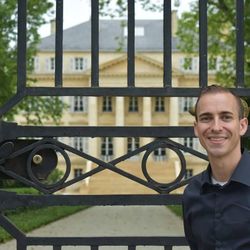

Sinegal Estate
Reserve Cabernet Sauvignon Blend 2016
Of the Napa wines I tasted over 4 days on this trip, the 16 Sinegal Reserve & the 13 Seavey Cabernet were my favorites. Both great wines but, stylistically very different. The Seavy big and bold and the Sinegal pure beauty & elegance.
The nose reveals very dark currants. Dark & milk chocolate. Blackberries, creamy black raspberries, black plum & plum, mocha powder, core of anise, beautiful dark spice, soft volcanic soils, some dry brush and lavender, violets and fresh dark red florals.
The body is full. The tannins are really meaty but, exceptionally soft, fine and meaty. Lots of dark spice with plenty of heat. The mouthfeel is gorgeously sexy with feminine elegance. Dark & milk chocolate. Blackberries, creamy black raspberries, black plum & plum, mocha powder, core of anise, beautiful dark spice, big sweet tarry notes, soft volcanic soils, some dry brush, lavender, violets and fresh dark red florals. The acidity is perfect. The finish is well balanced sexy and gorgeous. The structure, tension say this needs to cellar eight to ten years.
Photos of; tasting cellar area, modern stainless tanks, outside terrace tasting and or dining area and their grounds and lake.
Producer history and notes...Sinegal Estate was founded in 2013 with wines made from their 30 acre Inglewood estate in St Helena (not to be confused with the Inglenook Estate in Rutherford). This is not a new property, it was part of an original land grant and its more modern day history dates back to 1879 when owner Alton Williams purchased the property and planted the first vines in 1881.
The property has changed owners a number of times over the decades. At one point the Jaegers’ owned the estate, Bill Jaeger and his wife Lila lived here. These Napa Valley pioneers were in part responsible for helping establish Freemark Abbey and Rutherford Hill. Lila was also a gardener and established beautiful gardens on the property.
Owners, David (father)and James (son) Sinegal purchased the property in 2013. James was the co-founder of Costco and once CEO. David worked at Costco for 21 years.
After the purchase, David divided each of their vineyards into smaller blocks, picking selectively (30 times in 2013) rather than all at once, and adding technology to the vineyards so they have up to the date reports on a number of data points including temperatures, soil moisture and various barometric pressures. If they want to selectively water, say vine #67 in row number three, they can do so with their irrigation system. Extremely efficient!
Nine acres of vines are planted to various red varietals including; Cabernet Sauvignon, Cabernet Franc, Malbec and Petit Verdot. They have some of the older Cabernet Franc vines in the valley that are 30+ years old.
The soils here are diverse and can vary even within small geographic ranges on the property. Some of their vineyards are planted on the valley floor – while their upper vineyards are hillside, on the edges of the Mayacamas Mountains.
Their landscape above the property is interesting and part of the Mayacamas Mountains. Visually, it appears drier than other parts of this mountain range and the vegetation reflects that with grey pine and more open natural vegetation rather than the thicker wooded vegetation more commonly associated with parts of Spring and Diamond Mountains to the north.
After purchasing the property, David created planned and laid out his vision to create a world-class boutique wine making operation. Many wineries in the Napa Valley can take years before they come to fruition, not so here. After only about 10 months, the existing winery was remodeled. 6,500 feet of caves were expanded and drilled into the hillside behind the winery and a new hospitality center was built. The hospitality center ties in very well with the winery. From the small tasting room, large doors open revealing the tanks.
A vegetable garden slightly under an acre grows just south of the winery building. Vegetables from this garden are sold to nearby restaurants.
A skeleton key appears on the labels of their wine and is prominently displayed on the outside of their winery building. This has historical significance. The original key opens the front door to the historic home on site and is displayed in the tasting room. With respect to the history of this property, this one key has already become iconic to the brand.
You only need to look inside of the winery to see that their wine making team is focused on quality. Each of the small lot tanks have built in pumps which can be controlled and programmed to do pump-overs anytime of the day or night. In addition, these tanks have multiple points at which the temperature can be controlled. These tanks do not necessarily handle all their fermentation’s. They also ferment small lots in puncheons and barrels as needed. Control across the board is the key here and it is the control of the details in wine making that is is so integral from when the fruit first arrives through to when it is bottled.
2013 was their inaugural release. The focus is currently on two primary varietals, Sauvignon Blanc and Cabernet Sauvignon. The 2013 Sauvignon Blanc were sourced from the estate but, then it was determined it was growing in an area better suited for red varietals so it was torn up and new plantings were made in the back of the property. While not far from these original plantings, their new home for their Sauvignon Blanc features different soils and is growing in a cooler part of the property.
The wine making team has been experimenting with the style of this varietal since 2013 with subsequent vintages seeing more oak. Especially, using the slightly longer cigar shaped barrels , which have extra surface area for maximizing complexities including textural feel imparted from aging the wine on the lees in these particular barrels. Maceration on the red wines is often 8-10 days and sometimes up to 20 days.
Most of their sales are direct to visitors or through their mailing list. However, they do have some distribution outside California in Florida, New York and Washington. Primarily to restaurants. — 8 years ago



Quality Control Distilling Co.
190 Gem Clear Grain Alcohol

A marvelous spirit from the countryside of Kentucky. Notes of brimstone are very present with a well balanced aftertaste of molten lead and Iron. — 11 years ago
Somm David T
Independent Sommelier/Wine Educator
I would be remiss as a Sommelier if I didn’t pay homage to a Winery co-founder, Sonoma pioneer & legend, Burt Williams, who passed away this week at 79 due to complications of Parkinson’s.
For those of you that see my posts, soon after I fell In love with wine, I/we started traveling to as many world wine regions as we could. It was at that point, I fell in love with producers. For many, they just sip wine and like or love it. If my posts reflect anything, they hopefully convey a love and homage for producers.
It is a daunting challenge financially & a labor intensive investment to start a winery. Producers that do it well, do it out of love & passion. Somewhere around 50% is completely out of their control...weather. It is a tremendous undertaking, hard work and why I have ultimate respect for producers and Burt is the rule, not the exception.
Williams Selyem has been a favorite Pinot of ours for sometime. We really enjoy them at 10 years plus in bottle. At that age, they take on a preferred Burgundian style. They long age effortlessly, beautifully and show so much more with that kind of time in bottle.
The nose reveals; ruby, dark cassis, blackberries, black raspberries, raspberries, both black plum & plum, boysenberries, blue fruits, pomegranate, Provence herbs, tree sap, charcoal notes, soft, savory meats, mint/eucalyptus, limestone, volcanic minerals, dry, powdery rocks, Lipton tea, mixed dark berry cola, dark, red, blue, purple flowers laid on top of distinctive Williams Selyem violets.
The body, this young is full & feels well extracted. The structure, tension are still big and need to round out. The length & balance are headed to the right place. Ruby, dark cassis, blackberries, black raspberries, raspberries, both black plum & plum, boysenberries, blue fruits, pomegranate, cherries, strawberries, Provence herbs, tree sap, pronounced dark spices with plate heat, chocolate cake w/ light frosting, clove, nutmeg,, cinnamon stick, some vanillin, charcoal notes, soft, savory meats, mint/eucalyptus, underbrush, limestone, volcanic minerals, dry, powdery rocks, Lipton tea, mixed dark berry cola, dark, red, blue, purple flowers laid on top of distinctive Williams Selyem violets. The acidy is near perfect. The long finish needs time but is; delicious, well balanced, elegant, falling into dark spice as it sets.
This will continue to improve over the next 15 years plus.
I didn’t know Burt personally but, I have enjoyed his craft & legacy over the years. I will leave this post with what the winery sent out this week in tribute. They’ve done it far better than I could.
We are deeply saddened to announce that Burt Williams, founder of Williams Selyem, passed away yesterday due to complications of Parkinson’s disease.
Burt, along with co-founder Ed Selyem, started out with a few tons of free grapes in the 1970s. The two friends didn’t set out to produce wines for anyone but themselves, and they surely never imagined that their humble experiment in home winemaking would spawn a cult-status winery of international acclaim. Together, they set a new standard for American-made Pinot Noir, and elevated Sonoma County’s Russian River Valley to among the best wine growing regions in the world.
Born in San Francisco in 1940, Burt and his family moved north to Sonoma County after his dad passed. Upon graduating from Sebastopol High School, he went to work as a printer for the San Francisco Chronicle.
A self-taught winemaker, Burt found his way with the aid of many winemaking books and study of old-world winemaking techniques. In the early days, the winery had little money to spend so they improvised and used old stainless-steel dairy tanks for fermentors—a tradition we still carry on today. He was always fascinated by the terroir of the Russian River Valley and believed that the grapes grown here could make wines to rival the best in the world.
In 1992, Burt quit his day job to focus solely on the winery. After much success, he passed on selling to a few suitors, then made the decision to sell the winery to our current owner, John Dyson. Burt set a particular standard for whom they were willing to sell the winery to. The first condition was that the buyer must already be on the mailing list. The second condition was that the buyer must already be in the wine industry. “Kathe and I were really very lucky to be chosen by Burt and Ed. Kathe had joined the mailing list in the early 1990s and I already owned a winery in New York and a vineyard in California. We saw that as a true sign of Burt’s dedication to maintaining the quality of the wine and the business,” said John Dyson.
After the sale, Burt stayed in the wine industry and purchased a vineyard in the Anderson Valley, where he grew Pinot Noir. We made a vineyard designate from his grapes, called Burt Williams’ Morning Dew Ranch, until he sold the vineyard in 2015. Burt Williams was a pioneer of the industry and stayed a true friend of the winery. He visited the winery many times a year and was always interested in current goings-on. He would often come to events and pour wine and even sign bottles for customers. John Dyson said Burt once told him, “I have to say, John, I’m so delighted we sold to you. We could never have done anything like this ourselves and you really helped make what we started live on.”
Burt’s influence on the Russian River Valley, Sonoma County, and Pinot Noir winemaking in general cannot be overstated. He was considered a trailblazer in the industry and is credited with helping put Sonoma County Pinot Noir on the map. He was also an influence on, and a mentor to, an entire generation of winemakers. VP of Winemaking Jeff Mangahas said, “Burt had a profound impact on my way of thinking of winemaking and it was some of his early wines that fueled my interest in the Russian River Valley. It is truly an honor to be the steward for Williams Selyem wines today and continue to make wines in the spirit of Burt.”
We will all miss Burt greatly.
Burt is survived by his wife Rebecca, two daughters, four grandchildren, and three great-grandchildren.
Photos of; Williams Selyem, two photos of Burt & the “Morning Dew Vineyard” that I hope he is walking and producing heavenly vintage from in his hereafter. — 7 years ago