Gaspard
Gaspard Brochet
333.f Extra Brut Champagne Pinot Noir


Extra brut rosé. Trying to find out details but Mr Brochet does Blanc de Noirs so we are guessing its a rosée de saignée as he only or mostly does Pinot Noir. Its round, elegant, great fruit, really dry and vinous enough for food but works great as a drink. We liked it a lot. — 9 months ago




Jenny & Francois Gaspard
Loire Valley Cabernet Franc

Earthy, light, bright, super easy drinking and fun — 5 years ago
The Walls Vineyards
Gaspard Syrah 2016

@Delectable Wine - This is Syrah, not a red blend. This is their Red Mountain bottling, and delivers the dark fruit & firm tannins one expects from Red Mountain wines. There is a smoky character to this and it shows both flavor and textural complexity as it opens. Beautiful wine. — 7 years ago

Jenny & Francois Gaspard
La Souteronne 2016

Good not great. Insanely reductive. Smelled like fresh garbage juice at first. Came around after about 4 hours in the decanter. Fresh and juicy. Probably just about right for the price. — 9 years ago
Château Cos d'Estournel
Saint-Estèphe Red Bordeaux Blend 1991

Is there any meal better than steak (Ribeye) and well aged Claret? This is another 1991 Bordeaux experiment of mine. 1991 was a vintage with horrible frosts and a less than favorable growing season, right? A vintage critically panned. This is my 3rd recent 91 from a good producer. And again, it didn’t disappoint. Like 97 and 07, it’s better with the right bottle age than young. Magic evolution happened in the bottle way down the road. This 91 is in great form with a fair amount of life ahead of it. On the nose; a little ripe fruit funk, wonderful dark & lighter red cassis, ripe blackberries, dark cherries, poached strawberries, plums, hues of blueberries, black raspberries, dry cranberries, vanilla, light cinnamon, rich, black turned earth, cedar, soft leather, dry stones, dry top soil, notes of dry herbs and fresh & dry red flowers. The body/palate is medium, round, ripe & still fresh. The tannins nearly completely resolved. Ripe, floral fruits of; blackberries, dark cherries, poached strawberries, plums, hues of blueberries, black raspberries, dry cranberries & half cooked rhubarb. Vanilla, light cinnamon, touch of clove & nutmeg, rich, black turned earth, cedar, soft leather, dry stones, dry crushed rocks, dry top soil, notes of dry herbs, a little band-aid and fresh & dry red flowers. The acidity drips over the palate and the long, well balanced, still structured, nice tension, good length finish lasts over a minute. Again, love & appreciate the 12.5% alcohol. What a beauty with and without the steak. Next time you’re in your fine wine retail shop and see a quality producers 91 that’s been well stored, buy it and have it with a Ribeye. Photos of; their exotic Estate, Chateau interior, newer barrel room and their vines as viewed from the front of the Chateau that are across the road. Producer notes and history...Cos d’Estournel has a long distinguished history in the St. Estephe. Louis Gaspard d’Estournel, gave his name to the estate after founding in 1811. It did not take long before Cos d’Estournel became famous with wine lovers and royalty all over the world. In those early days, Cos d’Estournel did not sell through Negociants. The owner preferred selling his wine directly to his customers. In fact, Cos d’Estournel was exported to numerous countries across the globe, with a large portion of the production being sold to India. It was that connection to India that inspired much of the unique, east Indian design we see at Cos d’Estournel today. Cos d’Estournel was one of the first Bordeaux Chateaux’s to bottle, label and sell their own wine. This practice continued until the death of Louis Gaspard d’Estournel in 1852. If you’re at the property, the statue on the bench in the front courtyard is of the founder, Louis Gaspard d’Estournel. The Estate was then purchased by an owner that sold their wines on the Place de Bordeaux using the negociant system. If the Chateau was not selling their wines through the negociant system, it would never have been included in the 1855 Classification. Imagine that! So, it turned out to be a fortuitous decision. Cos d’Estournel was sold to the Charmolue family owners of the neighboring Estate of Chateau Montrose. They continued to own the estate until 1917, when it was bought by Fernand Ginestet. This purchase was the beginning of the next major step in the development of Cos d’Estournel. Decades later, the grandchildren of Fernand Ginestet, Jean-Marie Prats, Yves Prats and Bruno Prats took over ownership and management of Cos d’Estournel. In 1995, Bruno Prats sold the property to the Merlaut family, owners of the Taillan Group. The next era in the development of Cos d’Estournel took place in 2000, when Cos d’Estournel was bought by the industrious and wealthy Michel Reybier, who earned his fortune in the food industry. Michel Reybier hired the son of Bruno Prats, Jean-Guillaume Prats to manage Cos d’Estournel. Things further improved with the efforts of Jean-Guillaume Prats who helped design the most modern wine making at that time. A complete renovation of Cos d’Estournel took place in not only the wine making facilities and cellars, but in parts of the Chateau as well. While the wine making facilities are completely modern with their 100% gravity design, the outward appearance retained the original design and feeling that has always been a part of Cos d’Estournel. On October 15, 2012, Jean Guillaume Prats announced he was leaving Cos d’Estournel to join LVMH (Pichon Baron). Jean Guillaume Prats was replaced by Aymeric de Gironde. Following the departure of Aymeric de Gironde in 2017, the owner, Michel Reybier took over managing the Estate. What makes the remodel special is that the cellars of Cos d’Estournel are entirely operated by gravity. There are no pumps of any kind to force the wine. The purpose is to allow a gentleness to the wine and improve its purity and allow for the expression of their terroir. It set a new benchmark for cellars not only in the Left Bank, but in all of Bordeaux. Perhaps, the most inventive part of the cellars is the four 100 hectoliter lift tanks or wine elevators that replace the pumps used in the traditional pumping over and the racking off processes, which introduce air and often destabilize the marc. From the moment the grapes arrive, everything travels by the flow of gravity. Jean Guillaume Prats called this process a “pumpless pump over.” The 91 hectare vineyard of Cos d’Estournel is planted to 65% Cabernet Sauvignon, 33% Merlot, 1% Cabernet Franc and 1% Petit Verdot. The vineyard is located extremely close to the border between Pauillac and Saint Estephe at the southern tip of the Saint Estephe. The Estate has very old Merlot vines as well, which date back more than 100 years. Part of the terroir is situated on the hill of Cos, which is at a high elevation for the Medoc at 20 meters. They also make a second wine called Pagodes de Cos. This is a great wine to buy in very good vintages. Especially, if your budget prohibits you from purchasing their first wine. — 9 years ago

Gaspard
Loire Chenin Blanc

Gaspard 2024… juicy apple, lemon, honey,light note of pineapple too! Medium to high acid. One of my fav chenins so far! — 8 months ago
Gaspard Brochet
Pinot de Sacy Brut Non Dosé Blanc de Noirs
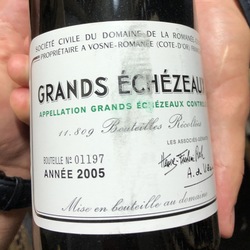
Nephew of Emmanuel Brochet making fantastic wines — 3 years ago
Château Cos d'Estournel
Les Pagodes de Cos Saint-Estéphe Red Bordeaux Blend 2000

Pagodes de Cos is a second wine of Château Cos d’Estournel. 3 hour Decant. Web article, Second Growth Bordeaux according to the Bordeaux classification of 1855. Located in St.-Estephe, the château includes 160 acres of vineyards planted to 60% Cabernet Sauvignon and 40% Merlot. The average age of the vines is 35 years. Founded in the 18th century by Louis Gaspard d’Estournel, the château’s wines were so admired in the 19th century that they were in demand all over the world. The château was bought and sold many times during the late 19th and 20th centuries, and in 2000 it was acquired by Michel Reybier, under whose direction the château has continued its climb to excellence. Robert M. Parker Jr. has noted that Cos d’Estournel “has been particularly successful in difficult vintages” and “remains impeccably managed.” Some 200,000 bottles of the signature Cos d’Estournel are produced each year. — 4 years ago
Le Clos du Caillou / Domaine du Caillou
Cuvée Unique Vieilles Vignes Côtes du Rhône Red Rhone Blend 2011
This is an insiders wine. You have study, focus and taste a lot wine to know how special this wine can drink. Especially, at its QPR.
There are a lot of people that covet SQN, Caycuse, Horsepower and No Girls. For my palate, these wines either burn the palate with ABV or choke off the fruit with way too much bacon fat and or deeply marinaded grilled meats. Yes, you are drinking expensive, flashy producers but, I would humbly disagree they are better wines than this 2011 Le Clos Du Caillou Vielles Vignes Cuvée Unique. Those other wines should aspire to be everything this 2011 shows and delivers.
This Le Clos Du Caillou has the balance the above wines lack and at a fraction of the price point. I would drink this 2011 over any of the other fore mentioned wines. While this Le Clos Du Caillou is a shade hot, it is not nearly as hot as SQN etc.. Hot ABV alcohol that burns the palate & back of the throat will forever be a fatal flaw in a wine.
The nose reveals, ripe; blackberries, dark cherries, blue & purple fruit mix, poached & back strawberries, black raspberries and both plums. Dark, sweet tarriness, dry, crushed rocks, steeped teas, anise stretching to black licorice, hint of dry herbs with bay leaf leading the way, dry brush, black, dry earth, savory, grilled meats, medium, dark spice, understated baking spices; clove, nutmeg, vanilla and a touch of clove, dark & mid red fruit cola, just a whiff of incense with candied, fresh and withering red & dark florals.
The body is rich and mid full. Tannins just 50% resolved with round, dark tarry teethiness. The structure, tension, length and balance are harmonious...just before their peak. Ripe; blackberries, dark cherries, blue & purple fruit mix, raspberries that haut the center palate on the long set, poached & back strawberries, black raspberries and both plums. Dark, sweet tarriness, dry, crushed rocks, limestone minerals, steeped teas, anise stretching to black licorice, hint of dry herbs with bay leaf leading the way, dry brush, dry black earth, dry stone wrapped in moist clay, savory, grilled meats, some bacon fat, medium, dark spice, understated baking spices; clove, nutmeg, vanilla and a touch of clove, Mix of caramel & mocha powder, dark & mid red fruit cola, just a whiff of incense with candied, fresh and withering red & dark florals. The acidity is phenomenal. The long, ripe, well balanced & textured, elegant finish is memorable and is persistent for several minutes.
Wine paired perfectly with our marinated Tri-tip.
If you are over paying for the above lesser wines mentioned above, you owe it to yourself to seek out and cellar this wine appropriately.
Photos of; Le Clos Du. Caillou, their barrel room, Owners-Sylvie Vacheron & Bruno Gaspard and one of their vineyards. It’s amazing they can grow anything in that stone soil structure.
— 7 years ago

Matthias Orsett
Cuvée Gaspard Savagnin 2022
Lovely! Spicy, peppery, cherry limeaid. Joe brought a bottle home from Geneva. Very good gift! — 2 years ago

Gaspard Brochet
333.b Brut Nature Champagne Blend
Wow amazing new grower. The nephew of Emmanuel Brochet. — 3 years ago
Jenny & Francois Gaspard
Bulles Sparkling Rosé Blend
Mouthwatering acidity and minerality. Effervescent, apple, raspberries, strawberries and cherries. White pepper on the nose. — 4 years ago
Jenny & Francois Gaspard
Loire Valley Rosé Blend
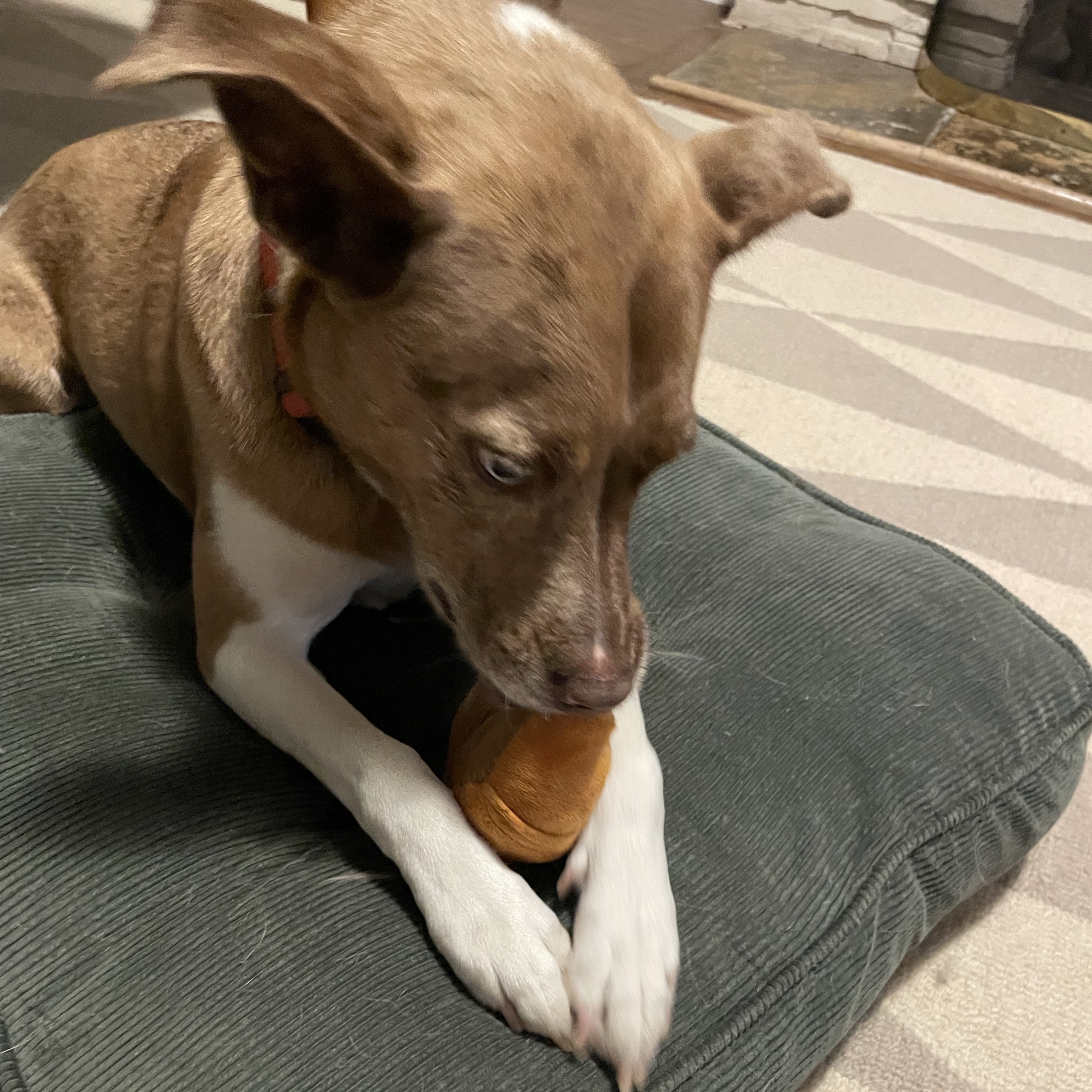
From the rosé #mysterysack lol. Smells like cherry Kool-Aid. Tastes like it, too, with the slightest bit of funk. Smooth finish, some vanilla going down. Gonna be tough to stop drinking this lol 😋 — 6 years ago

Antica Terra
Coriolis Willamette Valley Pinot Noir 2014
In physics, the Coriolis force is an inertial force that acts on objects that are in motion relative to a rotating reference frame.
In wine, Coriolis is a Willamette Valley Pinot Noir from Maggie Harrison's Antica Terra.
The back label says "The mathematical expression for the Coriolis force appeared in an 1835 paper by French scientist Gaspard-Gustave Coriolis, in connection with the theory of water wheels. This wine takes the name Coriolis and with it the symbol of the water wheel: a manifestation of the conversion of free-flowing energy into useful forms of power. One hundred percent of the profits from the sale of this wine are donated to charity. In this way this wine supports the conversion of ideas into powerful actions that serve a greater good."
One of those charities is Phil Knight's Cancer Challenge, so I guess you could say this wine is helping to cure cancer. If that's not reason enough to drink it, the wine is drop dead gorgeous. Opens with wild fruit purity of cherry, red currant and even then pushes towards raspberry, which leads into a salty minerality that plays really well off its subtle floral and citrus tones. While it's loaded with tart fruit and even citrus acidity, it finishes with length and exceptional silkiness, a testament to its balance. Beautiful. — 9 years ago
Alvaro Bustillos
Jau courtney haley sapago — a month ago