Four Quarters Brewing Co.
Bedrock Wine Co.
Compagni Portis Vineyard Heirloom White Blend 2020

A wine with a profile as complex as the eight or so field blend grapes that comprise it. Leading with Gewürtztraminer and Riesling, it has honeysuckle and pear on the nose, along with lots of fleshy white fruit, florals and a beautiful oily/petrol counterpoint. Four years in the cellar served it well and I think it has a few more. — 2 years ago
405 Brewing Co.
Better Than I Deserve Barrel Aged Imperial Stout
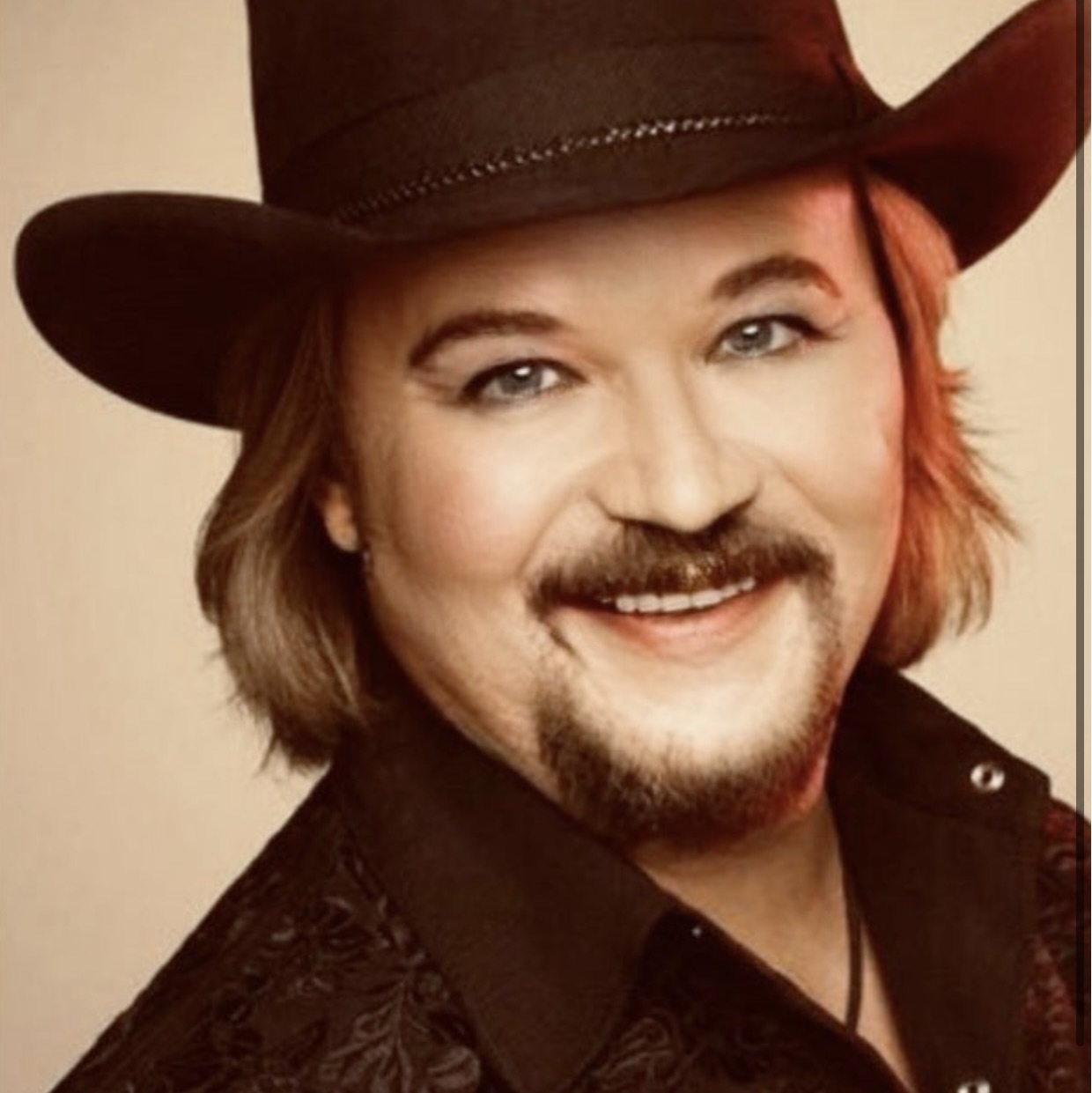

99 POINTS for @Alex Bacon ‘s Christmas 🎅 Beer.Cold brew coffee and honey Stout aged in ex-Barrel Project (Four Roses 7 Year) single Barrell bourbon cask. — 5 years ago

Four Brothers Wine Co.
Rose Of Grenache Santa Barbara County 2019

Nose of strawberry lemonade and lemon-lime gumdrops. Delicately driven with lemon-spritzed young strawberry and peach fruit salad. Sunday brunch-worthy. — 6 years ago
Williams Selyem
Sonoma Coast Pinot Noir 2016
I would be remiss as a Sommelier if I didn’t pay homage to a Winery co-founder, Sonoma pioneer & legend, Burt Williams, who passed away this week at 79 due to complications of Parkinson’s.
For those of you that see my posts, soon after I fell In love with wine, I/we started traveling to as many world wine regions as we could. It was at that point, I fell in love with producers. For many, they just sip wine and like or love it. If my posts reflect anything, they hopefully convey a love and homage for producers.
It is a daunting challenge financially & a labor intensive investment to start a winery. Producers that do it well, do it out of love & passion. Somewhere around 50% is completely out of their control...weather. It is a tremendous undertaking, hard work and why I have ultimate respect for producers and Burt is the rule, not the exception.
Williams Selyem has been a favorite Pinot of ours for sometime. We really enjoy them at 10 years plus in bottle. At that age, they take on a preferred Burgundian style. They long age effortlessly, beautifully and show so much more with that kind of time in bottle.
The nose reveals; ruby, dark cassis, blackberries, black raspberries, raspberries, both black plum & plum, boysenberries, blue fruits, pomegranate, Provence herbs, tree sap, charcoal notes, soft, savory meats, mint/eucalyptus, limestone, volcanic minerals, dry, powdery rocks, Lipton tea, mixed dark berry cola, dark, red, blue, purple flowers laid on top of distinctive Williams Selyem violets.
The body, this young is full & feels well extracted. The structure, tension are still big and need to round out. The length & balance are headed to the right place. Ruby, dark cassis, blackberries, black raspberries, raspberries, both black plum & plum, boysenberries, blue fruits, pomegranate, cherries, strawberries, Provence herbs, tree sap, pronounced dark spices with plate heat, chocolate cake w/ light frosting, clove, nutmeg,, cinnamon stick, some vanillin, charcoal notes, soft, savory meats, mint/eucalyptus, underbrush, limestone, volcanic minerals, dry, powdery rocks, Lipton tea, mixed dark berry cola, dark, red, blue, purple flowers laid on top of distinctive Williams Selyem violets. The acidy is near perfect. The long finish needs time but is; delicious, well balanced, elegant, falling into dark spice as it sets.
This will continue to improve over the next 15 years plus.
I didn’t know Burt personally but, I have enjoyed his craft & legacy over the years. I will leave this post with what the winery sent out this week in tribute. They’ve done it far better than I could.
We are deeply saddened to announce that Burt Williams, founder of Williams Selyem, passed away yesterday due to complications of Parkinson’s disease.
Burt, along with co-founder Ed Selyem, started out with a few tons of free grapes in the 1970s. The two friends didn’t set out to produce wines for anyone but themselves, and they surely never imagined that their humble experiment in home winemaking would spawn a cult-status winery of international acclaim. Together, they set a new standard for American-made Pinot Noir, and elevated Sonoma County’s Russian River Valley to among the best wine growing regions in the world.
Born in San Francisco in 1940, Burt and his family moved north to Sonoma County after his dad passed. Upon graduating from Sebastopol High School, he went to work as a printer for the San Francisco Chronicle.
A self-taught winemaker, Burt found his way with the aid of many winemaking books and study of old-world winemaking techniques. In the early days, the winery had little money to spend so they improvised and used old stainless-steel dairy tanks for fermentors—a tradition we still carry on today. He was always fascinated by the terroir of the Russian River Valley and believed that the grapes grown here could make wines to rival the best in the world.
In 1992, Burt quit his day job to focus solely on the winery. After much success, he passed on selling to a few suitors, then made the decision to sell the winery to our current owner, John Dyson. Burt set a particular standard for whom they were willing to sell the winery to. The first condition was that the buyer must already be on the mailing list. The second condition was that the buyer must already be in the wine industry. “Kathe and I were really very lucky to be chosen by Burt and Ed. Kathe had joined the mailing list in the early 1990s and I already owned a winery in New York and a vineyard in California. We saw that as a true sign of Burt’s dedication to maintaining the quality of the wine and the business,” said John Dyson.
After the sale, Burt stayed in the wine industry and purchased a vineyard in the Anderson Valley, where he grew Pinot Noir. We made a vineyard designate from his grapes, called Burt Williams’ Morning Dew Ranch, until he sold the vineyard in 2015. Burt Williams was a pioneer of the industry and stayed a true friend of the winery. He visited the winery many times a year and was always interested in current goings-on. He would often come to events and pour wine and even sign bottles for customers. John Dyson said Burt once told him, “I have to say, John, I’m so delighted we sold to you. We could never have done anything like this ourselves and you really helped make what we started live on.”
Burt’s influence on the Russian River Valley, Sonoma County, and Pinot Noir winemaking in general cannot be overstated. He was considered a trailblazer in the industry and is credited with helping put Sonoma County Pinot Noir on the map. He was also an influence on, and a mentor to, an entire generation of winemakers. VP of Winemaking Jeff Mangahas said, “Burt had a profound impact on my way of thinking of winemaking and it was some of his early wines that fueled my interest in the Russian River Valley. It is truly an honor to be the steward for Williams Selyem wines today and continue to make wines in the spirit of Burt.”
We will all miss Burt greatly.
Burt is survived by his wife Rebecca, two daughters, four grandchildren, and three great-grandchildren.
Photos of; Williams Selyem, two photos of Burt & the “Morning Dew Vineyard” that I hope he is walking and producing heavenly vintage from in his hereafter. — 7 years ago



Kikumasamune Shuzou
Hyakumoku Alt.3 2022
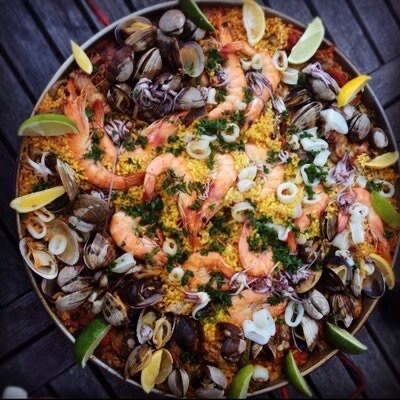

Brewery: Kikumasamune Shuzo (菊正宗酒造), est. 1659
Region: Mikage-go, Nada, Kobe, Hyogo
Brand: Hyakumoku 百黙, launched 2016, first new brand in 130 years
Release: Alt.3 added April 2018. Originally Hyogo-prefecture-only
Classification: 特定名称 その他 ("Other"). No grade designation, intentionally
Rice: 100% Yamada Nishiki, Toku-A district, Yoshikawa and Kuchiyoshikawa, Miki City, Hyogo. Kano-kai contract grown
Polish ratio: not published
Water: Miyamizu, Nada
ABV: 15% to under 16% (US label states 16%)
SMV: +0.5
Acidity: 1.4
Ingredients: rice (domestic), rice koji (domestic rice)
Production: blend of multiple junmai genshu tanks combined in nama state by a staff Master of Blender. Both sokujo and kimoto-lineage tanks
Pasteurization: hiire
製造年月 2022.7 / 蔵出年月 2022.8
720ml. Imported by Mutual Trading Co., El Monte CA
Alt.3 means "alternative third choice." Kikumasamune carries no grade on this one on purpose. Their position is that Japan judges sake almost entirely on polish ratio and that competing globally means building value somewhere else. So this is a blender's sake rather than a milling-spec sake.
Had it at a kappo counter, out of an ice bucket, four years past bottling.
Medium to lighter weight. Not heavy. Fills the mouth without being explosive but still reads full. Slight bitterness on the finish that tightens it rather than intruding.
The thing I keep circling is a savory note I have had trouble naming in other sakes. Yogurt, slight sour, light caramel, maybe dried apricot. Not a fruit. It is the kimoto lactic character coming through the blend, and it is strongest cold and pulls back as the glass warms. Better warm for me. Pull it out of the bucket early. — 2 months ago


Clos du Val Wine Co.
Napa Valley Zinfandel 1981

A continuation of some 1981’s that I’ve been opening to celebrate my 40th and this might be one of the biggest revelations yet. Over the last 20 years of my education, I’ve had the honor of being humbled countless times by wines, both good and not so good. However, every now and again, a wine comes along that challenges basic conventions and broadens my perspective. This was such a wine. Popped and poured; served alongside an assortment of grilled fare. The cork was about as healthy I’ve seen from a wine at 40 years. It came out mostly intact save for a small piece that was easy to remove but it served as a reminder that I ought to spend the money on a Durand. The color is deep garnet with some ever so slight browning at the edge of the rim. There is some fine sediment towards the bottom of the bottle but it’s otherwise quite clear. The nose was immediately engaging and full of interest. Predominate notes of old leather, dark cherry, mushrooms, black pepper, tobacco, and sweet baking spices. On the palate, the wine was rich, redolent. A mix of dark, mostly desiccated fruit, pipe tobacco, and baking spices. The real star however was the structure. Everything was still in its right place. Tannins were noticeable though clearly softened with age and very well integrated at this point. The acid provided all the necessary lift and a perfect zip to the finish. A wine of supreme balance. The four of us who shared this bottle looked at each other in wonder and amazement. A truly special wine that has years of life ahead. I have little doubt that it will still be handsome at 50. — 5 years ago


Colgin Cellars
Cariad Napa Valley Red Blend 2005
Today was an absolutely fantastic Friday hosting at the City Club by @Dan Fitzgerald. 1 sparkler, 3 whites, 4 reds, 1 dessert wine. Great job Dan!
The fourth of four Colgin’s served blind. My co-favorite. From the get-go, it was super concentrated, herbal, savory and just a hint of black fruit. Almost chewy in how dense it was. Smoky charcoal, wild herbs, cassis, and truffled blackberries. Still quite dry and tannic, even with the long decant. My initial, and final, guess was Colgin Syrah. Loved it. — 7 years ago


Paul T, Missing My Beautiful Wife 24/7
I had cork problems with 3 consecutive bottles of IX Estate, 05, & two 06 from different sources, very soft & spongie
Bedrock Wine Co.
Ode to Lulu California Rosé Blend 2022
Notes on four bottles over the four years since release (2023-26) show a wine that maintained character and freshness one might not associated with ‘aged’ rosé. Early on, it leaned into grapefruit, rose, and minerality and more recently, while it held onto a nearly effervescent acidity and very floral nose, showed some herbaceousness (or ‘the whole flower garden’ in my notes) and a Concord grape element. Always lovely with food and a great value. — 2 months ago
Four Brothers Wine Co.
Thompson Vineyard Santa Barbara County Syrah 2022

A very nice rendition of a Thompson Vineyard Syrah. This is the 2022 which is ready to drink. Dark purple almost black wine with a chalky mouthfeel. The fruit is well balanced. — 2 years ago
Sutcliffe Vineyards
Trawsfynydd Red Blend 2008
Popped and poured; no formal notes. A mix of dark and red fruits with tobacco, earth and spices. The wine is finally matured and drinking very well now. It has lost all of the green tones that were more apparent in its youth. Everything is now fully fleshed out and should continue to drink well for another 5+ years. Really, these are some lovely (and age-able) wines from the Four Corners area of CO.
— 4 years ago
Produttori del Barbaresco
Barbaresco Nebbiolo 2015
Perfect pizza wine four hours decanted. Vicolo Corn Meal Goat Cheese Pizza with our fresh ingredients.
The body is round, rich & lush. The structure, tension, balance & finish still need 3-5 years plus years to truly shine. Slightly sweet & sour & floral, dark cherries, ripe blueberries, dark plum, black raspberries, dark, slightly, sweet tarriness, anise, lead pencil, dry stone, dry clay, dark spice, limestone, crushed, dry rocks, nutmeg, clove, cinnamon, vanillin, fresh & dry tobacco, dry twigs, tree sap, dry herbs, savory meats, touch of pepper with candied & withering; dark, red, purple & some blue flowers framed in lavender & violets. Very good cool stream river acidity. The finish is still youthful (even decanted 4 plus hours) well balanced fruit & earth, ripe, juicy, elegant & it persists endlessly.
Even better in 3-5 years.
Produttori at the time we were there in the fall of 2015 was the 3rd largest European Co-op. It is located at the top of the town of Barbaresco, right under the church. We tasted there before going into Gaja down the street. Then, onto one of the best Michelin starred restaurants that is adjacent to Gaja we’ve had. 70 Euros lunch for two. The food was outstanding & rarely had that level of service. — 6 years ago



Four Brothers Wine Co.
Watch Hill Vineyard Grenache 2017
Was feeling Grenachy tonight! 🍷 — 7 years ago
Four Quarters Brewing Co.
Ghosts In The Sky Double IPA
Four Quarters Brewing LLC. Ghosts In The Sky Double IPA. 8% ABV. — 7 years ago
Bedrock Wine Co.
Limerick Lane Vineyard Zinfandel 2013
Can only affirm Antonio Galloni’s excellent review. Four years on, this is an outstanding bottle of Zinfandel. — 8 years ago

Rooster's Brewing Co.
247 Twenty Four Seven Session IPA

A real woman — 8 years ago
Château Brane-Cantenac
Grand Cru Classé en 1855 Margaux Red Bordeaux Blend 2005
This is the first 2005 I’ve opened that was truly impressive this young. It’s untypical for most Margauxs. Bright mid red fruits on the palate with elegance and dripping acidity. Impressive bottling!!! Wish that I had bought a case in futures vs. four bottles. FYI, I never buy more than 6 bottles of almost anything.
The nose reveals, ripe; dark cherries, blackberries, black plum, black raspberries, strawberries, cherries, baked plum, high glass blue fruit hues, dry cranberries and pomegranate. Vanilla, light cinnamon, hint of clove, dash of nutmeg, pinch of white pepper, very dark, rich soil, limestone, pee gravel, cherry cola, fruit tea, black/red licorice, dry top soil/clay, a faint whiff of mint, some red fruit liqueur notes, bright red florals, blue flowers and fresh dark and fresh slightly withering florals.
The body is medium to just barely pushing full. The tannins are well rounded, soft and a bit dusty. The wine gently glides beautifully over the palate. The red fruits shine. Dark cherries, strawberries, cherries, pomegranate, blackberries, black raspberries, plum and blue fruit hues on the long set. Vanilla, light cinnamon, hint of clove, dash of nutmeg, very dark, rich soil, limestone minerals, pea gravel, some crushed dry rock powder, cherry cola, dark fruit tea, black/red licorice, dry top soil/clay, a faint whiff of mint, some red fruit liqueur notes, used leather, saddle-wood to light cedar, light cigar with ash, bright red florals, blue flowers and fresh dark and fresh slightly withering florals. The acidity is like a rain shower. The structure, length, tension and balance are magnificent. The long, elegant, well balanced, polished finish is delicious and goes on and on. This wine has really hit its stride, yet will continue to improve for another 10 years and perhaps beyond. After two hours in the the decanter, the wine put on weight and showed more dark fruits on the long palate set.
Photos of, Chateau Brane Cantenac, Owner Henri Lurton, field-hand doing the back breaking work of picking and their oak vat room.
Producer history and notes...Chateau Brane Cantenac started out in the early 17th century. At the time, the small estate was known as Domaine Guilhem Hosten. The vineyards and estate was developed by the owner in the late 1700’s by the Gorce family.
Their wine was so highly regarded back then, it was one of the more expensive wines in all of Bordeaux, selling for almost as much money as Brane Mouton. This is interesting because of who went on to buy the vineyard in the 1800’s.
The Baron of Brane, also known as “Napoleon of the Vineyards”, purchased the chateau in 1833. At the time of the sale, the estate was called Chateau Gorce-Guy. To get the funds to purchase the Margaux vineyard, the Baron sold what is now called Chateau Mouton Rothschild, which was at the time of the sale, known as Chateau Brane-Mouton.
In 1838, the Baron renamed property, taking his name and the name of the sector where the vineyards were located, calling it Chateau Brane Cantenac. The chateau later passed to the Roy family, who were well-known in the Margaux as they owned Chateau d’Issan as well.
Jumping to the next century, in 1920, the Societe des Grands Crus de France, a group of merchants and growers that owned several chateaux located in the Medoc including; Chateau Margaux, Chateau Giscours, and Chateau Lagrange in St. Julien, purchased Chateau Brane Cantenac.
Five years later, M. Recapet and his son-in-law, François Lurton, took over Brane Cantenac along with Chateau Margaux. Lucien Lurton (the son of François Lurton) inherited Brane Cantenac in 1956.
Today, the estate is still in the hands of the Lurton family. Brane Cantenac is currently owned and more than ably managed by the capable, Henri Lurton.
After being given the responsibility of managing Brane Cantenac, it was under the direction of Henri Lurton that large portions of the vineyard were replanted. Vine densities were increased, the drainage systems were improved and the plantings were also, slowly changed to their current plantings.
The 75 hectare vineyard of Brane Cantenac is planted to 55% Cabernet Sauvignon, 40% Merlot, 5% Cabernet Franc, 5% Carmenere and .5% Petit Verdot. Carmenere was used for the first time in the 2011 vintage. The Petit Verdot was planted in 2008. 2017 is the first vintage where Petit Verdot was added to the blend.
The 75 hectare Left Bank vineyard of Brane Cantenac is essentially unchanged since it earned Second Growth status in the 1855 Classification of the Medoc.
At least that is the case with the 45 hectares used to produce the Grand Vin of Brane Cantenac. Those 45 hectares are planted close to and surrounding the chateau. Those vines are located just in front of the Cantenac plateau and are the best terroir that Brane Cantenac owns. This parcel is the heart and soul of their wine.
They have other parcels, which are further inland, but much of those grapes are placed into their second wine. Those additional hectares can be divided into 3 main sections.
Behind the chateau, they have 15 hectares of vines on gravel and sandy soils. They have 10 hectares across the road with sand, gravel and iron and a 13 hectare parcel with gravelly clay called Notton, which is used for their second wine. More than vineyards, the property maintains beautifully, manicured gardens and verdant parkland.
Today, more than 25% of Brane Cantenac is farmed using organic farming techniques. It is expected that over time, the amount of hectares farmed with organic methods will be increased. 12 of those hectares are farmed using biodynamic techniques as well.
3 hectares of vines they own in the Haut Medoc appellation are planted to white Bordeaux wine varietals due to the the cooler terroir in that part of the appellation. The soils are gravelly clay. The vines are planted to 80% Sauvignon Blanc and 20% Semillon.
Chateau Brane Cantenac is vinified in a combination of temperature controlled, traditional, 22 oak vats, 18 concrete tanks and 20 stainless steel vats that vary in size from 40 hectoliters all the way up to 200 hectoliters, which allows for parcel by parcel vinification.
40% of the fermentation takes place in the oak vats. The oldest vines are vinified in vats that are selected to allow for separate parcel by parcel vinification.
The younger vines are vinified more often together in the same vats. However, the Carmenere and Petit Verdot are entirely micro-vinified, meaning that those grapes are completely vinified in their own barrels, using micro-vinification techniques. This takes place with the Carmenere and Petit Verdot because the amount of grapes produced is so small. Some vats of Brane Cantenac can be co-inoculated, meaning they go though alcoholic fermentation and malolactic fermentation simultaneously.
Malolactic fermentation takes place in a combination of French oak tanks and barrels. The majority of the Grand Vin goes through malolactic in barrel. The wine of Brane Cantenac is aged in an average of 60% new, French oak barrels for 17 months before bottling. The initial 2 months of aging is done with the wine on its lees, which adds more depth to the wine.
There is a second wine, Le Baron de Brane. The use of a second wine at Brane Cantenac is not new. In fact, previously, the second wine went under the name of Chateau Notton, which took its name from one of the main parcels where the grapes were planted. There is a third wine, Margaux de Brane, which is usually Merlot dominated.
Production of Chateau Brane Cantenac is about 11,000 cases per year depending on weather conditions. — 8 years ago
Norman
Dassai Composing the Future (獺祭 未来を作曲)
Brewery: Dassai / Asahi Shuzo, Iwakuni, Yamaguchi, Japan
Classification: Junmai Daiginjo
Rice: Yamada Nishiki
Polishing: Undisclosed
ABV: 16%
Release: Limited special bottling
Brewer description: A special Dassai project built around the idea of “composing the future,” bringing sake and music together. The brewery focuses on harmony, complexity and the evolution of flavors rather than defining the sake by a specific polishing ratio.
Tasted at Sake Day SF — 9/26/2026. Rating is limited since the same glass was reused throughout the tasting, making it difficult to get a truly clean tasting and accurate read on the aromas.
Excellent. All four of these higher-end Dassai expressions were standouts. — 2 months ago