Rootstock
Chapelle d'Ausone
St. Émilion Grand Cru Red Bordeaux Blend 2005

R. López de Heredia
Viña Tondonia Reserva Rioja Tempranillo Blend 2006


With the Wine Blight laying waste to her vineyards, France went from 8:1 exporter in 1870 to 6:1 importer in 1887. Legions of wine farmers faced total financial ruin. With no cure - or even a proper diagnosis - in sight, many saw no option but to flee to lands not yet affected.
The influx of institutional knowledge that flooded into former backwater wine regions like Rioja catapulted them into relevance, and soon matured into a world-class standard. The farmers had found respite, but couldn't run forever. By the time Phylloxera crossed the Pyrenees, however, there would be new ways to fight back.
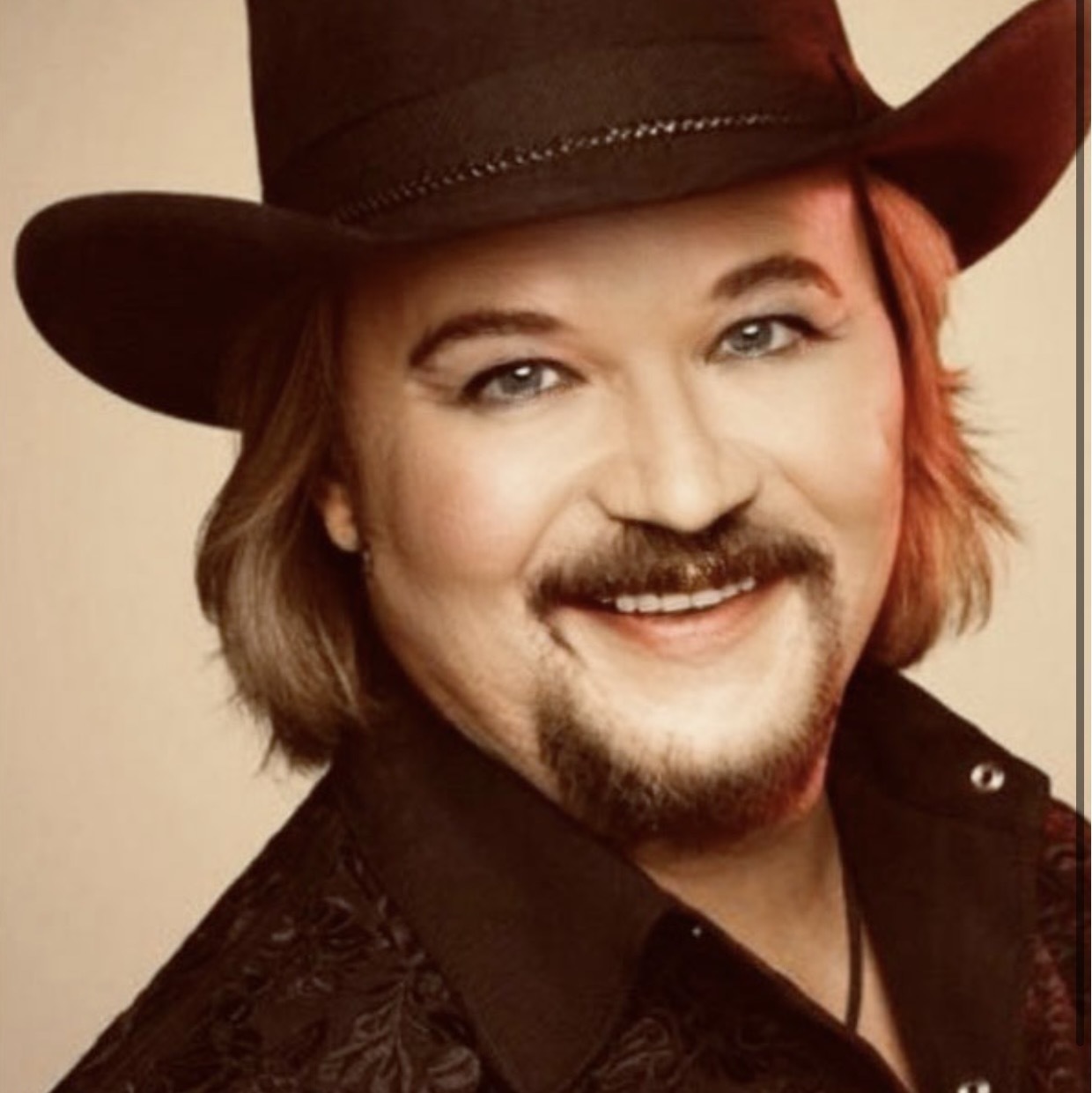
French botanist Jules-Emile Planchon had a theory. If the blight was caused by a microscopic American insect as he suspected, perhaps grafted European varieties on American rootstock would be resistant. This would be confirmed by Missouri entomologist Charles Riley, and with millions of rootstocks supplied by Texas horticulturalist T.V. Munson, the Wine Blight was soon in remission.
(This is adapted from notes for Le Dû’s Wines ‘History of Wine 1453AD-Present’ seminar, where this wine was poured) — 7 years ago
C.H. Berres
Ürziger Goldwingert Auslese Riesling 1993

Petrol-y in that way great old Rieslings are. At Rootstock in Woodstock. — 8 years ago
Hendricks Wines
Gold Ranch Cabernet Sauvignon 2009
On the nose, ripe, ruby, fruits of; mulberry, blackberries, black raspberries, black plum, plum, black cherries, blueberries & creamy raspberries. Vanilla, hints of sweet tarriness, black licorice, whiff of spice, soft understated limestone minerals & crushed rock powder, fruity black tea, hint of fresh herbaceousness, rich, black turned earth, fresh dark floral bouquet and fields of lavender & violets.
The body is rich, ripe & full. The tannins are a little sticky but well softened, round and a touch chewy. The structure, tension, length, balance, tension and balance are very close to perfect and harmonious. Fruits are; mulberry, huckleberry, blackberries, black raspberries, black plum, plum, black cherries & creamy raspberries. Vanilla, hints of sweet tarriness, black licorice, whiff of spice, soft understated limestone minerals & crushed rock powder, fruity black tea, hint of fresh herbaceousness, rich, black turned earth, fresh dark floral bouquet and fields of lavender & violets. The acidity is round and rains like a waterfall perfectly over the palate. The very long, ruby, rich, well balance lasts minutes and is absolutely heavenly. Gorgeous, elegant, stunning wine.
Photos of; the vertical tasting we attended of all Hendricks Cabernets; 04, 05, 09 & 12 at the time w/ one of our favorite paintings in the background, Charles Hendricks working in the cellar, very old rootstock from the Stag’s Leap Vineyard where the fruit to make this wine normally comes from and a wide shot of the Stag’s Leap Vineyard.
Producer notes and history...Hendricks Cabernet Sauvignon is consistently sourced from a few of Napa Valley’s finest vineyards. In those near perfect vintages, Charles only makes a small production wine of around 250-300 cases. Charles only produces it when he has exception fruit. He’s made Hendricks Cabernet in; 2004, 2005, 2009, 2012 & 2014. Notice he didn’t make Hendricks Cabernet in a great vintage year like 2013. He wasn’t happy enough with his fruit in 2013 to put his name on it. That says a lot and maybe all you need to know about his standard for quality. I do know what wine his 13 fruit made as I’ve had and it’s an unbelievable wine for far less money.
Charles also makes a fantastic Pinot Noir from the Santa Lucia Highlands that is really quite amazing. Especially, if you give it 5 or 6 years in bottle. All his wines are sold exclusively through the Hope & Grace tasting room in Yountville as he is also the Hope & Grace Winemaker.
Charles graduated in 1982 from UC Davis in viticulture. He was also able to tailor his own curriculum and was one of the earliest to integrate winemaking and viticulture course work. Having knowledge of both viticulture and enology forms the basis for his well-rounded winemaking.
Over the years Charles has worked in both Napa and Sonoma Counties, gaining hands on experience in all aspects of winemaking. He has a strong reputation for excellence. In his career, he’s been a consulting winemaker for many wineries; Viader, Barnett Vineyards, Paoletti Vineyards, Regusci Winery, James Cole, T-Vine and Tamayo family Vineyard.
I asked Charles, “how does he make wines that are amazingly good in their youth but will age effortlessly for 15-20 years?” His answer was simply this, “its not that hard, you just have to know the perfect time to harvest fruit.” I would agree with that to a degree. But, you also have to know how to gently guide fruit onto it’s path into the barrel and not get in the wine’s way or overwork the process. — 8 years ago


Paterna
Chianti Colli Aretini Sangiovese Colorino

Purchased from rootstock, was good. Organic. Mom said she liked the Chianti purchased a few weeks prior more — a year ago
Rosenblum Cellars
Harris Kratka Vineyard Zinfandel 2005

A rich but now well balanced Zin in that ripe style that I’d likely not have been too fond of when it was younger. Bottle coated with sediment and oak is prominent in how it’s resolved with plummy berry vanilla notes. Back label says a field blend of Zin Carignane and Petit Sirah, Alexander Valley vineyard, vines cultivated on St. George rootstock grafted onto a 75 year old clone of Zin. — 5 years ago
Bohème Wines
English Hill Vineyard Sonoma Coast Pinot Noir 2016

medium reddish purple, translucent core, amber rim; red cherry, raspberry, mushrooms, pine needles; red fruit, slightly spicy finish; medium body, good acidity, light tannins which are fine grained, 13.5% ABV; made from 100% Pinot Noir sourced from vineyard Kurt Beiler planted rootstock in 2004 and grafted 2006 with multiple clones, site is in both the Sonoma Coast and Russian River Valley AVA’s and is the warmest of his 3 vineyard sites; about 30% whole clusters were used, aged 18 months in 20% new French oak; $55 — 6 years ago
Daou Vineyards
Pessimist Paso Robles Red Blend 2017

This is ridiculously fruity and jammy yet dark and tannic, 🍷delicious drink now, not serious. Happy Saturday, Cheers! @Rootstock Los Gatos — 7 years ago
Lioco
Demuth Vineyard Chardonnay 2014

This is such a dynamic site. 1600ft above the valley floor, Wente clone on AXR-1 rootstock planted in 1982. This has white Burgundy nods written all over it in opening it tonight on 6/20/2019. Cheers John & Kai!
This is delish and the remaining bottles that capture this vineyard’s site expression still out there in the wild are worth celebrating. — 7 years ago
Château Poujeaux
Moulis en Médoc Red Bordeaux Blend 2007
First, let me say the 07 Bordeaux vintage was largely frowned upon by professional critics. When I tasted it upon release, I had some doubts. However, I have said many times, in all difficult vintages anywhere, there are still producers that made good wine. Especially, if you give them time to evolve in bottle. This 07 has blossomed with 10 years in bottle and an absolutely perfect steak wine.
The nose reveals; smoldering ambers, dry crushed rocks, limestone minerals, ripe blackberries, black cherries, black raspberries, baked strawberries, black plum, floral blueberries, dark fruit liqueur, leather, cedar to saddle-wood, dark rich soils, stones, anise, graphite, old cigar with ash, hints of mushroom, steeped tea, fresh & withering red & dark floral bouquet.
The body is beautiful with; rich, round, velvety, smooth, tarry tannins. This 07 Poujeaux is in top form with plenty of life left ahead...another 7-10years easily. The structure, tension, length and balance are nicely knitted together. It glides effortlessly over the palate. A combination of dark currants & cassis. Ripe blackberries, black cherries, black raspberries, bright cherries, baked strawberries, black plum, floral blueberries, dark fruit liqueur, dark chocolate, mocha bar, vanilla, clove, dark spice, leather, cedar to saddle-wood, dark rich soils, stones, smoldering ambers, dry crushed rocks, dry clay, limestone minerals, dry brush, anise, graphite, old cigar with ash, touch of pepper, hints of mushroom, steeped tea, beautifully, fragrant, violets, lavender, fresh & withering red & dark floral bouquet. The acidity is nicely balanced in the wine. The finish without the steak shows dusty, grainy tannins, good balance in fruit & earth, elegant, ripe fruit and persistent on the palate.
Photos of, the unassuming Chateau Poujeaux by Bordeaux standards, the rootstock & soil structure of the Poujeaux terroir, Cellar with concrete tanks & large oak vats and a wide shot of the Estate.
Producer history and notes...Chateau Poujeaux’s history can be traced back to the 16th Century. At that time, the owner of Chateau Latour, Gaston De L’Isle, owned the estate. Over the centuries, Chateau Poujeaux, like numerous Bordeaux estates has been the property of a multitude of owners.
In fact, the owner of Chateau Beychevelle Marquis François Etienne de Brassier was one of owners. Over the centuries, Chateau Poujeaux was bought, sold, split up and divided. It was not until 1921, when the Theil family became the owners of the property that all the previously divided sections were brought back together again.
The modern era for Chateau Poujeaux began more recently. It started in 2008, when Jean Theil sold Chateau Poujeaux to the Cuvelier family, who were already owners of Clos Fourtet in St. Emilion. Once the Cuvelier family purchased, Mathieu Cuvelier took charge and things changed for the better.
The winemaking facilities were modernized and the farming technique used in the vineyards of Chateau Poujeaux were also changed.
They reduced yields and began picking later, giving them riper fruit. They also moved to an organic vineyard management approach and are looking at biodynamic farming as well. All of this work in the vineyards have helped push the wine quality of the estate. You only need to open and taste some their newer vintages. You’ll notice the improvement in fruit quality and the winemaking practices.
The 68 hectare Moulis vineyard of Chateau Poujeaux is planted to 50% Cabernet Sauvignon, 40% Merlot, 5% Cabernet Franc and 5% Petit Verdot. The terroir is gravel based soils, typical of the area as show in the above photo. The average age of the vines is close to 35 years, although some vines are older.
The debut vintage under the Cuvelier family was the 2008. At Chateau Poujeaux, they are practicing serious vineyard management with the help of Stéphane Derenoncourt, who works with numerous Bordeaux Winemakers on both banks, including the Cuvelier’s property in St. Emilion, Clos Fourtet.
Chateau Poujeaux, fruit is whole berry fermented in a combination of small stainless steel vats, oak barrels and cement tanks with a 25-day cuvaison. Chateau Poujeaux is aged in about 40% new, French oak barrels for an average of 12 months. On average, Chateau Poujeaux produces close to 25,000 cases per year. — 8 years ago

Krupp Brothers
M5 Stagecoach Vineyard Cabernet Sauvignon 2013
Latour rootstock. — 9 years ago
La Cave du Vin Blanc de Morgex et de La Salle
Blanc de Morgex et de La Salle Prié Blanc

In addition to its unique bottle shape and colorful, eye catching label, the 2023 Blanc de Morgex et de la Salle, is
also known for being produced at Europe’s highest vineyard: the Valle d’Aosta region in the upper northwest of Italy, on the borders of France and Switzerland, just a chip shot from the Summit of world-famous Mont Blanc.
The clear, light straw appearance is followed by persistent lemon/lime/floral aromatics and flavors. It is sourced from pre phylloxera rootstock of the indigenous Prié Blanc grape.
It is well balanced and structured with ample fruit and acidity; Light bodied, but somewhat fleshy, with a lingering touch of skin contact (oak?) at the long mouth coating finish. A most unique wine from a singular site. Worth a try if you can find it. — a year ago
Pierre-Yves Colin-Morey
Bourgogne Chardonnay 2018
Stupid at under $40. Buy all you can.
Green & Golden apple, banana, lemon & lime candy, cream, super soft chalkiness, vanillin, fruit blossoms, spring flowers, jasmine caramel notes, honeysuckle to understated honey, with yellow florals, spring flowers with mixed greens. If you are an acid head (like me) it’s perfect. Excellent long finish that is well balanced, elegant, polished and sings persistently for minutes ending in mid white spice.
Photos of; one of their Grand Cru vineyards, likely 40-50 year plus rootstock, Pierre-Yves Colin and library cellar. — 6 years ago

Paul T, Missing My Beautiful Wife 24/7
I did, 3 cases per month
Emmolo Winery
Napa Valley Merlot 2017

In 1923 Salvatore Emmolo immigrated from Sicily to Napa buying property and starting grapevine rootstock. Salvatore’s granddaughter Cheryl started the Emmolo label in 1994, now run by Jenny Wagner, Cheryl’s daughter. Grapes sourced from Napa Valley’s Oak Knoll district, deep Ruby with purple edges and aromas of black fruits, some oak and sweet spice. The palate yielded berry jam and fruit tastes with a touch of roasted espresso beans and a perfect amount of pungent, almost smoky spice, to a clean light oak and nutty finish on smooth, slightly gripping tannins. A real Gem! Tasting Sample! — 7 years ago


Domaine du Crampilh
l'Originel Madiran Tannat 2015
At Rootstock & Vine in Woodstock — 8 years ago
Kingston Family Vineyards
Tobiano Pinot Noir 2016
On the nose; leaner, ripe fruits of; dark cherries, cherries, plum, blueberries, raspberries, lightly spiced plums, light vanilla, whiff of herbal notes, light dark turned earth and perfume purple florals.
On the palate; dark cherries, cherries, strawberries, floral blueberries, plum, herbal notes, light soft spice, dark rich soils, grainy and powdery minerals. Good round waterfall acidity with a well balanced, polished, elegant finish.
Photos of; landscaping around the property, second year planted Pinot Noir vines (had to replant as pests ate the rootstock) and a retaining wall with a waterfall type pond character. — 8 years ago
Fattoria San Lorenzo
Le Oche Verdicchio dei Castelli dei Jesi Classico Superiore 2015

So delicious tasted at rootstock vintage 2015 — 9 years ago
Emmolo Winery
Napa Valley Sauvignon Blanc 2015
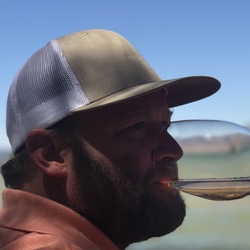
Jenny Wagner Clark, the daughter of Chuck Wagner, of Caymus, crafts both Merlot and Sauvignon Blanc under the Emmolo label. Her mother's maiden name is Emmolo. The Emmolos have a long history in Napa Valley with Jenny’s great-grandfather, Salvatore Emmolo, starting the family’s grapevine rootstock nursery in St. Helena in 1923. Her grandfather, Frank Emmolo, not only managed the nursery, but also grew Sauvignon Blanc and Merlot on their family property. The 2015 Emmolo Sauvignon Blanc is straightforward, but such an elegant illustration of Sauvignon Blanc. White peach, d'Anjou pear, and pink grapefruit are set against a backdrop of wet stone. In keeping with this style, the wine shies away from the typically piercing acidity of Sauvignon Blanc, opting for a more genteel approach, which definitely sets this apart from its peers. — 9 years ago
Somm David T
Independent Sommelier/Wine Educator
70% Merlot & 30% Cabernet Franc. Decanted 2 hours and enjoyed over the next 2 plus hours. Cork near new.
I have waited patiently nearly 20 yrs to enjoy this 2005. While it is delicious tonight, it still has not hit its precipice. Might be another 8-10 yrs for that.
This is the second wine of Chateau Ausone. If you are not familiar with this producer, if they redid the 1855 Classification, their first wine would most certainly be a first growth and at the very least a second growth.
I remember reading the first/original review of the 2005 Ausone from Robert Parker. It read, “if you are over the age of 55, you have to decide whether or not to buy this wine.” It went on to a glorious 💯 point review. However, that original review was taken down some months into it. Was it taken down at the behest of Chateau Ausone? The review was reworded to take out the over 55 age & anticipated drinking window of 2040-2080. Most of Chateau Ausone buyers are older, higher income. Would that drinking window prevent them from purchasing it as Chateau Ausone is not an inexpensive bottle price? Not for the younger incomes. Question for the ages but it inspired me to buy three bottles of their 05 Chapelle d’ Ausone.
About a yr ago, I had their 02 Chapelle d’ Ausone. Strangely, that night it showed better than this 05 tonight. The 02 vintage was not a lauded vintage. Yet on that night, the perfect time to open it. This 05 needs more cellaring time and will ultimately be a better wine in another 7-10 yrs.
The nose shows; beautiful, ripe, somewhat floral fruits that are; dark cherries, strawberries, cherries, blackberries, black raspberries, black plum, sweet blueberries and raspberry notes. Mid berry cola. steeped fruit tea, gently baking spices-cinnamon, clove, nutmeg & beautiful vanillin, soft pepper, mix of dry & fresh herbs, tobacco, leather, graphite, volcanic ash, moist clays, limestone, amazing dark & red florals set is violets.
Medium plus resolved, powdery tannins. The palate glides with freshness and ripe, floral, juicy fruits that are; dark cherries, strawberries, cherries, blackberries, black raspberries, black plum, sweet blueberries and raspberry notes. There is no bite or a stringency, Mid berry cola, steeped fruit tea, gentle baking spices-cinnamon, clove, nutmeg & beautiful vanillin, soft pepper, mix of dry & fresh herbs, excellent mid, dark spices w/ some palate heat, anise, dark chocolate baking bar, coco powder, tobacco, leather, graphite,, limestone/sandstone, dry crushed rocks, grey volcanic ash, rich, sweet forest floor w/ dry leaves, moist clays, limestone, soft cedar to sandalwood, amazing dark & red florals set is liquid violets, amazing rainfall acidity, still has firm structure/tension, well balanced, great length and a finish that is w/o end and long sets on dark, dry tannins, heated, dark spice florals, earth and tarriness.
Add two points in 7-10 yrs. I look forward to my next bottle then.
Photos of; Chateau Ausone and owner-Alain Vauthier. That short rootstock featured center is around 25+ yrs old. — 7 months ago