Between The Lines
Domaine Auguste Clape
Cornas Syrah 2005



Château Cos d'Estournel
Saint-Estèphe Red Bordeaux Blend 1975
1975 vintage. From magnum. Decent fill and cork. Decanted and tasted after two hours. Medium body. Nose remained angular and sharp throughout but flavors vacillated between finesse and brutish. Not the star of the night, yet impressive nonetheless. Out of magnum, looks to have 5-10 more years left of quality in store. 3.5.24. — 3 years ago
Ridge Vineyards
Monte Bello Vineyard Cabernet Sauvignon Blend 2010

Another stellar showing. So enjoyed the bottle a few weeks ago I could not resist another dip in the pool. Opened beautifully throughout the night. This producer and wine is one of my favorites so it just synchs with me but I think it’s a vibrant new world take on Bordeaux. Lots always going on in the glass but there is a brightness that makes it a bit livelier and it’s such a blissful harmony between it all. — 3 years ago

Château Mouton Rothschild
Pauillac Red Bordeaux Blend 2004

04 was an uneven growing season, maybe a little underrated since stuck between 03 & 05...good en primeur pricing for the 04s...Got this for around $150.
1.5 hour decant (decent chunky sediment). A captivating dark crimson color with a slight bricking. On the nose: sweet red fruit, cassis, floral, cedar, smoked meat, and mint. Taste: fresh, nice acidity, good structure, med to full body wine with blackberry, dried herbs, spice box, pencil lead, with a plum vanilla medium plus finish and a little tannic kick at the end.....few more bottles in the cellar to follow over the next few years. Cheers! — 6 years ago


Arnot-Roberts
Watson Ranch Chardonnay 2018

A nice wine, but I’m not quite sure about the quality / price ratio at $40+. Certainly interesting intellectually about what a cool climate Napa site can do with great soil and farming. Quite rich and mouth filling, and there is really tension between the creaminess and acid (in a good way). But ultimately this is a bit weak on the finish for me - slightly thin, not a ton of lingering acid, and the actual finish is a bit short. — 6 years ago

Château de Beaucastel
Châteauneuf-du-Pape Red Rhône Blend 2023

Very nice and layered CDP, nose is a nice combination of red fruit, flowers and graphite. On the palate, the fruit hits first and then somewhat quickly gives way to the graphite/mineraly flavors, which last and develop on your palate in an interesting and pleasant way that avoids making me think I just licked a rock. Tannins aren't too powerful but what's there is grippy, could easily lay down for a few years and really develop. Overall this strikes a nice balance between approachable and interesting, easy to like for anyone who's into Rhone reds! — 6 months ago

Prunotto
Barolo Nebbiolo 1996
Presented to me double-blind at Tasting Group. The wine pours a garnet color with a translucent core and some rather significant rim variation; medium+ viscosity with light staining of the tears. On the nose the wine is vinous with notes of tart, ripe, and some desiccated red fruits: Morello cherry, red flowers, leather, cedar chest, dried green herbs and warm spices. On the palate, the wine is bone dry with medium+ tannin and medium+ acid. Confirming the notes from the nose, the finish is medium+. Initial conclusions: this could be Sangiovese, Nebbiolo, or Granache from Italy or France. I felt the tannin was too high to be Grenache so I vacillated between Sangiovese and Nebbiolo. And due to the color and profile, 25+ years age from a good vintage. Ultimately, the light staining, and the perceived new oak made me feel as though this was probably Sangiovese from Brunello di Montalcino. So that’s my call: Sangiovese, from Italy, from Tuscany, from Brunello di Montalcino, 2001. Welp!! This was one of the first vintages after Antinori took over ownership of the property. The modern touch apparently threw me off a bit. Still quite tasty. Drink now. — a year ago
Langlois-Château
Vieilles Vignes Crémant de Loire Chenin Blanc 2018

Pale dress. Duel relationship between fresh acidic fruits (coing, green apple, white peach) and breeding bringing roundness and fat. (Oak, butter, hazelnut). The interstice connecting the two is occupied by vegetable notes (straw, white flowers, honeysuckle, beeswax). Typically as with the Chenins de Loire, saline acidity is high, counterbalancing the 14 degrees of alcohol here. Needs a décantation to give all its relief. Do not serve too cold, (10-12°). Gastronomic!
Robe pâle. Rapport duel entre fruits frais acides (Coing, pomme verte golden, pêche blanche) et élevage apportant rondeur et gras. (Chêne, beurre, noisette). L’interstice reliant les deux étant occupé par des notes végétales (paille, fleurs blanches, chèvrefeuille, cire d’abeille). Typiquement comme avec les Chenins de Loire, l’acidité saline est élevée contrebalançant ici les 14 degrés d’alcool. A besoin de prendre l’air pour donner tout son relief. Ne pas servir trop froid, (10-12°). — 4 years ago


Château Ducru-Beaucaillou
Saint-Julien Red Bordeaux Blend 2005
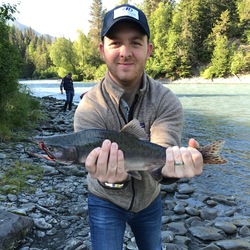
Last week was a combo of 4th Friday and Open That Bottle Night on back to back nights. Needless to say, the lineup between both days was full of heavy hitters, so I’m only posting standout bottles.
This was slow oxed for a few hours before the event. I was fortunate to try this a couple times throughout the evening. Monster stuff that is only getting better. Aromatics of dark cocoa, mocha, bayleaf, cedar, currant, underripe blackberries and raspberries. Built like a tank on the palate...big structure sporting notes of leather, herbs de Provence, grilled black cherries, plum, mulberries, graphite, and a tannic finish. If you can decant for half a day, go for it. Otherwise, hold on and enjoy the fireworks in 5-7yrs. Thanks for bringing @Jid R . — 7 years ago

Dunn Vineyards
Howell Mountain Cabernet Sauvignon 1999

Peak, flirting with perfection. Others called out farm/barnyard notes, I thought it was more hansaplast plasters. Anyways, this was very Bordeaux for a napa wine and very napa for a Bordeaux blend. Catching the perfect balance between sweet napa generosity and cooler bdx notes. — 4 months ago
Château de Saint-Cosme
Côte-Rôtie Serine 2015
Presented double-blind at Tasting Group. The wine pours a deep garnet/purple with a near opaque core; medium viscosity with significant staining of the tears. On the nose, the wine is developing with notes of dark brambles, purple flowers, pastureland, black pepper, olive tapenade, animale, granitic earth, some licorice, and a mix of cool and warm spices. On the palate, the wine is dry with medium+ tannin and medium+ acid. Confirming the notes from the nose. The finish is long and the rotundone is particularly apparent.
Initial conclusions: this could be Syrah, Gamay, Cabernet Sauvignon (or based blend), Merlot (or based blend), Tempranillo or Malbec from France, the United States, Australia, Spain or Argentina. However, given the color saturation and the wild nature of this wine, I can’t place this classically in the New World. Furthermore, I detect the use of some French oak so I like this being from the Northern Rhône or Beaujolais. Final conclusion, this is Syrah, from France, from the Northern Rhône, from Cornas, 2017. Dang! Scoring points but I need to get better differentiating between some of these Northern Rhône AOC’s. This showed really well and still has a long life ahead. Drink now through 2045. — 9 months ago
Château Lynch-Bages
Grand Cru Classé Pauillac Cabernet Sauvignon Blend 2005
This was fantastic, strong, and yet still seemingly understated. Although I am no fortune teller, this seemed strong and young. I couldn’t place all the flavors I experienced, but to my palate there was raspberry, blackberry, smoked meats, soil after a rain, and portobello mushroom all matched with a beautiful color to stare at between sips. Long pauses to enjoy the long finish. — 3 years ago

Domaine Serene
Evenstad Reserve Willamette Valley Pinot Noir 2016
An all-time favorite for me. Still the best Pinot Noir I’ve tasted yet. I typically like Cabernet-Sauvignon and this reminds me of a good cab but with the lightness and “headroom” between tastes that Pinot tends to have. — 6 years ago
Billecart-Salmon
Brut Réserve Champagne Blend
Happy Birthday James!!!
The is a nice even tug of war between reductive & oxidative. Right in my Blanc wheelhouse.
— 6 years ago


Between the Lines
Four Mile Creek Gewürztraminer

So yummy! Can’t wait to try it with a noodle bowl. — 6 years ago
Desire Lines Wine Co.
Shake Ridge Ranch Syrah 2017
It’s pretty easy to over-do Syrah in this location. Desire Lines does a phenomenal job of keeping dessert-like pleasure and seriousness of terroir in check. Lifted and fruited like a modern northern Rhône or Cru beaujolais with a little less seriousness to boot but also this is young and booming. Held straight for 5 days. Get the feeling that this will resolve very slowly over time to show more what earthy and cool characteristics it has in its hand. This wine feels extremely stable and a kaleidoscope of possibilities lay herein. — 7 years ago
Jay Kline

Presented to me double-blind at Tasting Group. The wine pours a deep garnet/purple with an opaque core and some moderate rim variation; medium viscosity with moderate staining of the tears and some signs of sediment. On the nose, the wine is vinous with beautiful notes of ripe and slightly dried black and blue fruits: dark brambles, plum, fig, purple flowers, leather ball glove, something spicy and green that has me debating between rotundone or pyrazines (but which?), rocky earth and fine baking warm spices. On the palate, the wine is dry with medium+ tannin and medium+ acid. Alcohol is medium. Confirming the notes from the nose. The finish is long. What a beautifully made wine.
Initial conclusions: this could be Cabernet Sauvignon (or a blend with associated Bordeaux varieties), Cabernet Franc, Merlot (blended with associated Bordeaux varieties) or Syrah from France, the US or Australia. This is older; probably 20+ years of age based on the secondary characteristics or dried fruit and old leather. While the fruit plays a starring role here, the alcohol seems almost modest so I can’t place this in Australia or the US. The problem I’m having, are there pyrazines or rotundone? I don’t get a lot of black pepper or animale, or olive for that matter…so I’m leaning towards this being Bordeaux. Final conclusion: this is a Cabernet Sauvignon-based wine with a blend of Bordeaux varieties, from France, Bordeaux, Pulliac, from a classified growth, 2004. Whoa!!! 2005 Clape?! What a treat! I feel like I should have nailed this wine. Alas…I still have to get better at differentiating between pyrazines and rotundone with age. Drink now with a decant, through 2045+ — 3 months ago